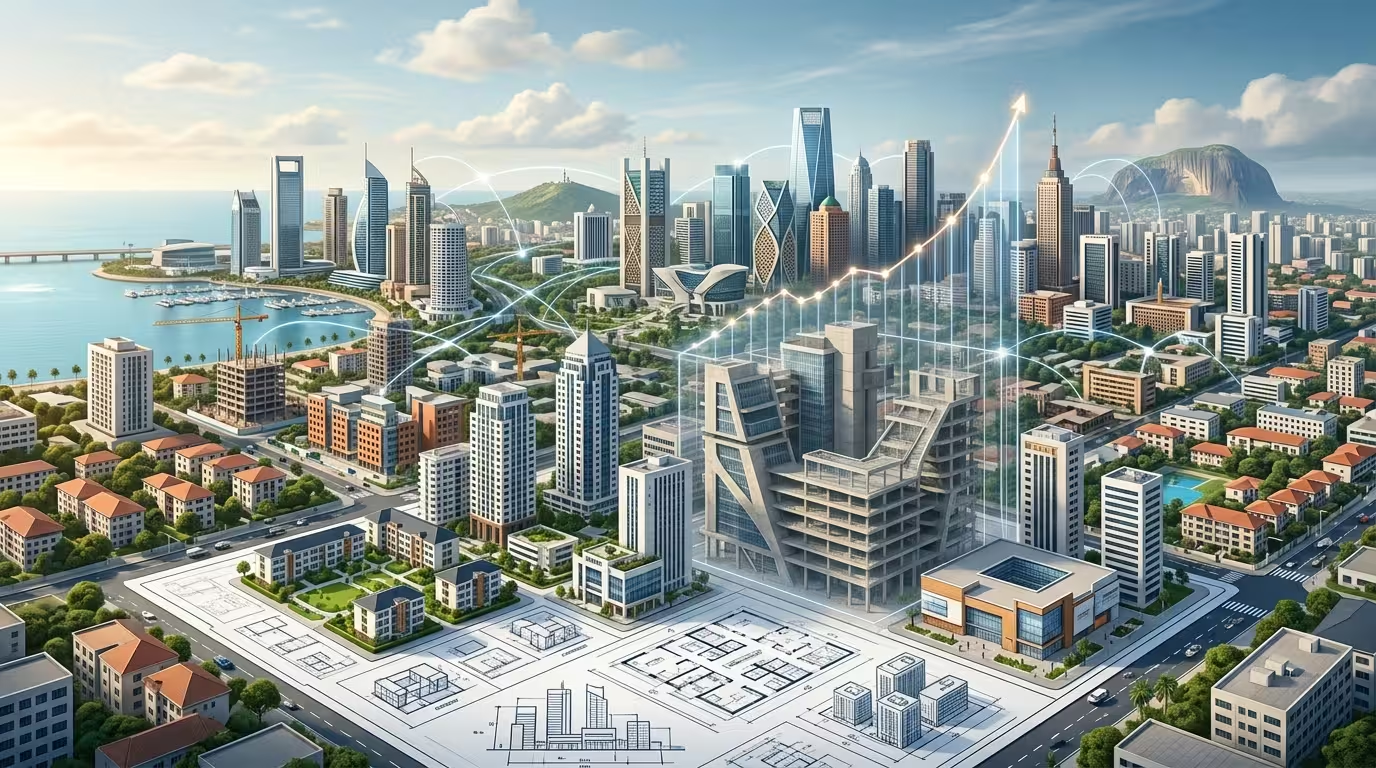
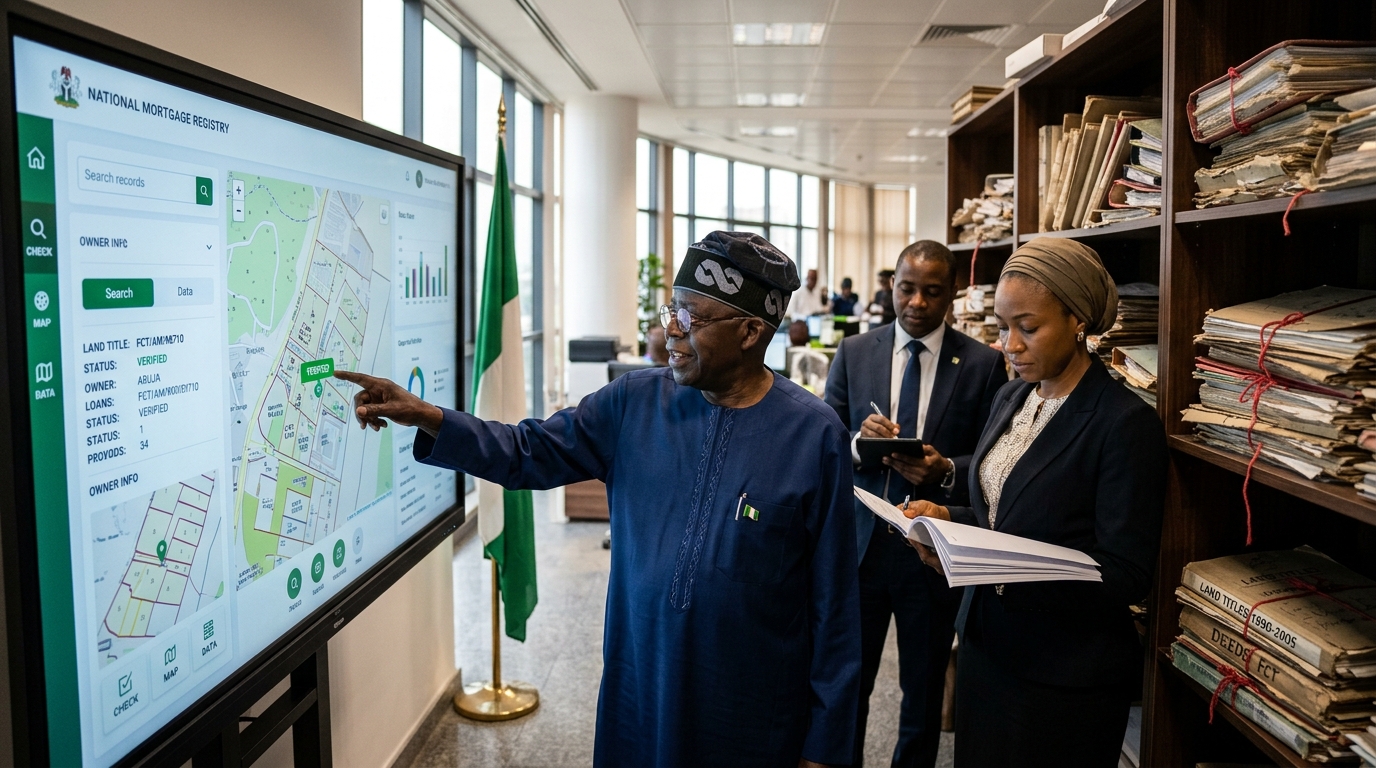
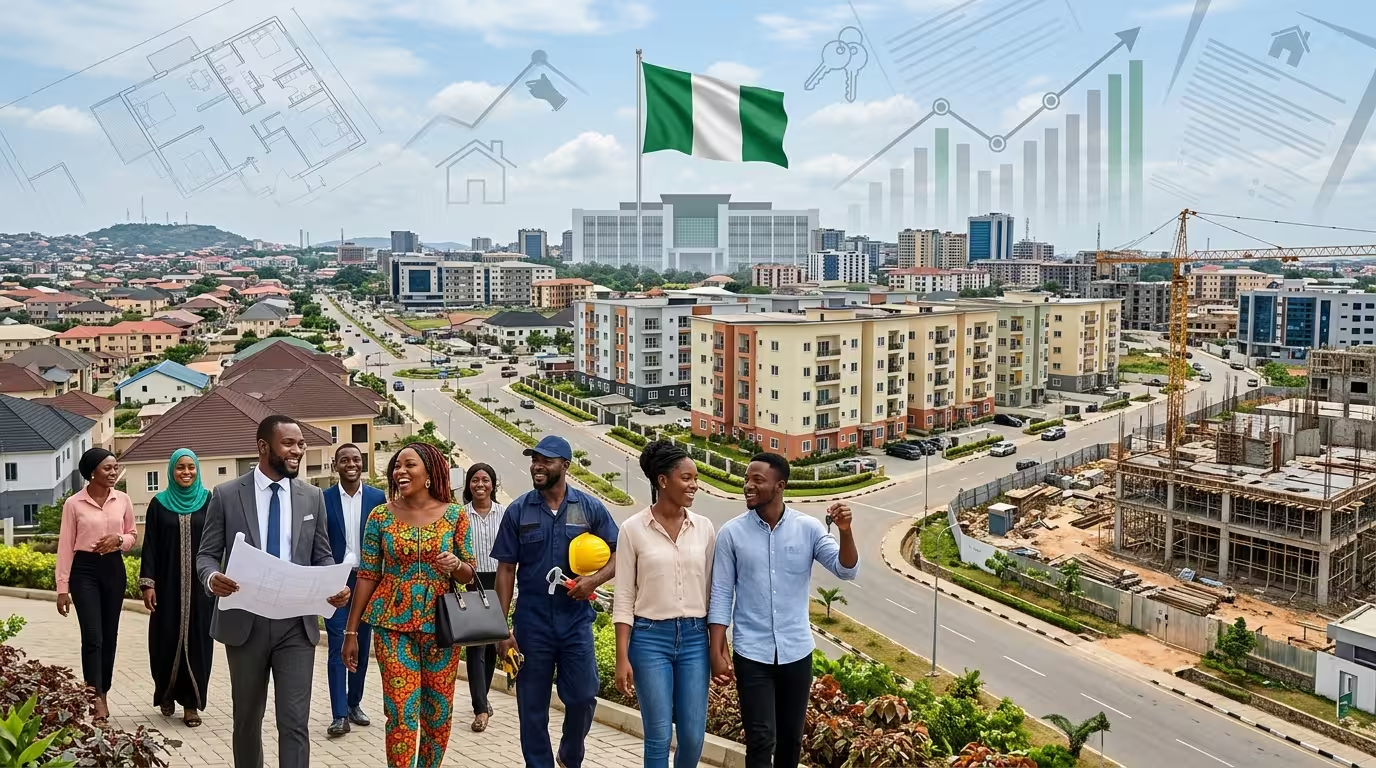
Nigeria’s real estate market could grow to $40 billion annually by 2030. Learn why affordable housing, mortgage access and changing buyer demand may shape the industry’s next phase of growth.
Credit: Andreas Maier / Pexel Images
KEY TAKEAWAYS
1) BusinessDay reports predicts Nigeria’s real estate market to grow from $32 billion in 2025 to $40 billion in 2030.
2) Nigeria needs about 15 million homes, according to the government, but some industry analysts believe the number is higher.
3) Developers are still focusing on luxury housing, even though there’s a lot of interest in more affordable options.
4) Nigeria’s mortgage penetration remains below 1% of GDP, limiting access to owning a home for many.
5) If we boost housing finance, we could seize a major long-term real estate opportunity.
Nigeria’s Real Estate Market Could Reach $40 Billion a Year by 2030
BusinessDay reported that the Nigeria’s real estate market will expand to about $40 billion annual turnover by 2030. This is fantastic news for developers, investors, and property market watchers.
But here’s the bigger question.
Who is benefiting from this growth?
The Federal Government’s estimation puts Nigeria’s housing deficit at approximately 15 million units. Several industry analysts think the number is higher. Regardless of the estimate you use, it’s clear that millions of Nigerians lack adequate and affordable housing.
Most new developments today, however, are in the luxury market. You’ll see a lot of luxury apartments, high-end duplexes, and premium estates going up in places like Banana Island, Lagos, and Maitama, Abuja.
That creates a strange picture.
On one side, you have expensive properties competing for a small group of buyers. On the other hand, millions of working-class Nigerians are searching for homes they can afford.
It’s a bit like opening high-end eateries in a hood where people are just after good, budget-friendly food. Even though the restaurants seem great, they’re not capturing a sizable chunk of the market.
Why This Matters
We’re talking about more than just housing here. It impacts pretty much everyone in real estate.
When you’re buying houses, check out where people want to live, not just where the most expensive places are.
High-end houses seem good on paper, but affordable places draw in a lot more buyers and renters. This means rental demand might be more stable, and it’ll be easier to sell later.
As a developer, the best chance you’ve got might not be building expensive houses. It is to discover a profitable method for supplying quality housing that teachers, bankers, civil servants, entrepreneurs, and young families can actually afford.
Many Nigerians can afford to pay monthly. Very few can raise tens of millions of naira upfront to buy a home outright.
The Real Challenge Isn’t Just Housing. It’s Financing.
The housing finance system in Nigeria is a big reason developers stick with luxury projects.
They thoughts it’s easier to sell one expensive property to someone with cash than to sell lots of cheaper houses that need mortgage approval.
It’s not because developers don’t want to cater to middle-income clients. It’s because the financing system makes that market harder to reach.
The market research shows that Nigeria’s mortgage market is still pretty small, accounting for less than 1% of the country’s GDP. Compared to that, it’s around 31% in South Africa and about 77% in the US.
Think of it this way.
Imagine trying to sell cars in a country where almost nobody can get a car loan. It’s natural for most manufacturers to concentrate on the limited clientele who can pay upfront.
Housing works much the same way. When mortgages are hard to get, developers will focus on purchasers who can pay cash immediately.
Why the Mid-Market Could Be the Bigger Opportunity
Nigeria is experiencing population growth, rising urbanization, and an annual influx of young professionals into the job market.
Nigerians living abroad are still sending billions of dollars back home. According to the BusinessDay report, people leaving abroad sent about $20–25 billion home in 2025. The majority are looking to invest in property that’s professionally managed and properly documented.
Many of these buyers are not looking for luxury status symbols.
They need places that are practical, in safe spots, with good documentation and developers they can trust. This opens doors for builders who can make suitable homes affordable for ordinary families.
What You Can Learn From This
Don’t just look at the price. A property that attracts a lot of buyers can sometimes be the smartest long-term bet.
Check out places with better infrastructure, more jobs, and high housing demand.
The best way to beat the competition soon might be to build homes that are cheap, good, and easy to get loans for. Just because it’s affordable doesn’t mean it’s bad.
As the market grows, developers collaborating with mortgage lenders or offering installment options may find themselves in a powerful position.
Now, if you’re planning to buy, focus on value rather than prestige.
A home in a prime spot with high rental interest and great amenities could beat a luxury one that only appeals to a select few.
iPropty Insight
History offers an interesting lesson.
The UK and US did not address their post-WWII housing deficits by constructing high-end properties. They facilitated housing finance, promoted extensive residential building, and opened up homeownership to ordinary families.
Nigeria’s situation is unique, but one thing remains true. We won’t close the housing gap by building more homes if people can’t get loans for them.
For Nigeria’s property market to grow, we’ll need good mortgages, flexible payment options, and trustworthy developers, alongside new construction.
Investors, developers, and people looking to buy homes should all monitor this trend.
Frequently Asked Questions
What’s the potential size of Nigeria’s real estate market?
BusinessDay’s market analysis says Nigeria’s real estate could jump from $32 billion in 2025 to around $40 billion by 2030.
What is Nigeria’s official housing deficit?
The Federal Government places Nigeria’s housing deficit at roughly 15 million units, but industry observers suggest the number could be higher.
Why do many developers focus on luxury housing?
Developers building high-end stuff don’t need to depend as much on mortgage approvals because wealthy buyers can often pay in full.
How developed is Nigeria’s mortgage market?
Home financing is a struggle in Nigeria because mortgages are less than 1% of GDP, a lot lower than in South Africa.
What does this mean for property investors?
Lots of people still want affordable houses. Investors should look at location, infrastructure, rental demand, and long-term affordability, not just luxury builds.
Sources: BusinessDay Nigeria (market analysis by Prince Orji); Federal Government housing deficit estimate; comparative mortgage penetration figures referenced in the BusinessDay report.