
A poorly chosen paint color can make your home feel hotter than the weather outside. Surprisingly, color affects how much heat your walls absorb every single day. Dark shades trap more heat. While lighter tones reflect sunlight and help indoor spaces stay cooler. That simple decision can influence your comfort, electricity bills, and even how long your paint lasts. Choosing paint, therefore, goes beyond beauty. Because every wall becomes part of your home’s environmental performance.
You probably think paint selection begins with your favorite color. However, your local climate should influence that decision first. Nigeria experiences intense sunshine, seasonal rainfall, and high humidity across different regions. Those conditions constantly attack painted walls inside and outside your home. The right color works with the environment instead of fighting against it. Consequently, your home stays attractive for years without demanding frequent repainting.
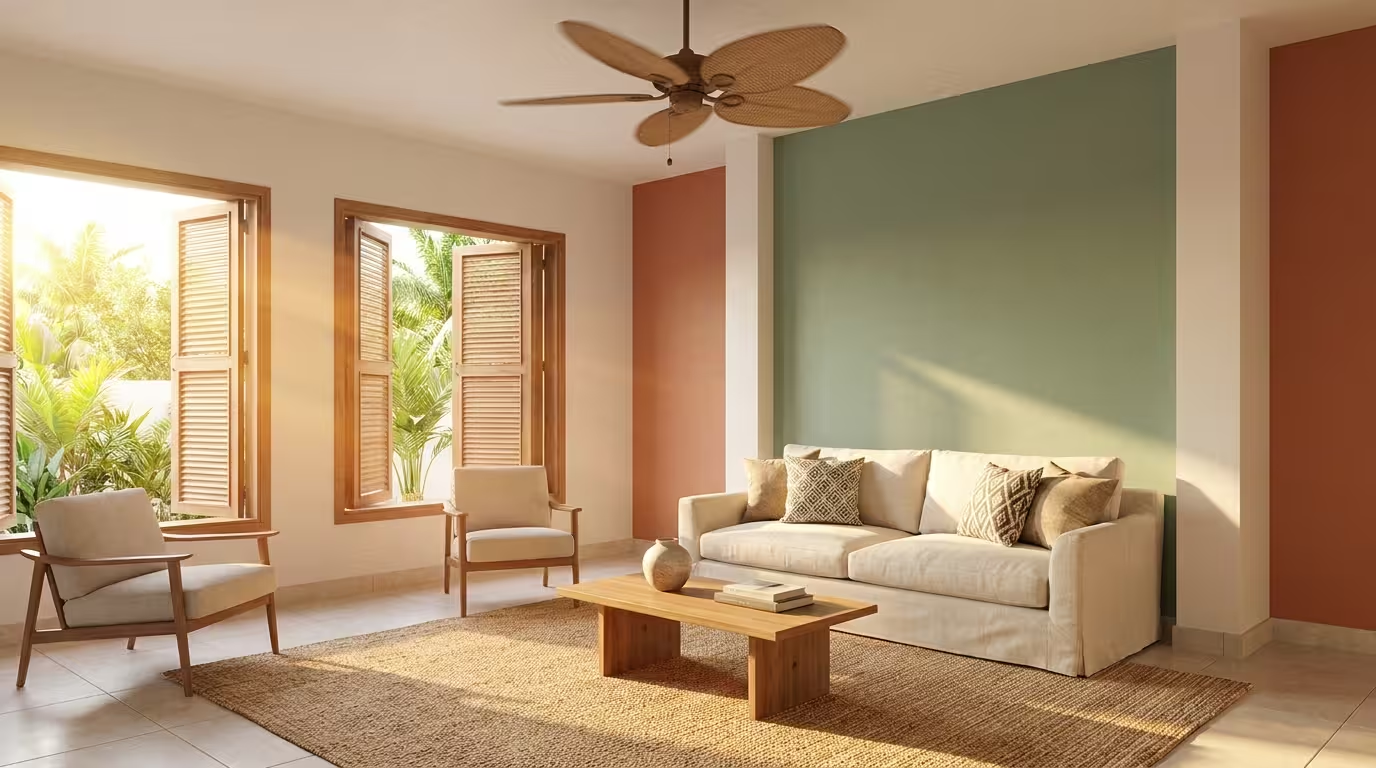
Paint also shapes the atmosphere inside every room. Certain colors brighten dark spaces naturally, while others create warmth and comfort. Some shades make small rooms appear larger. Others create an elegant appearance without expensive furniture or decoration. Every color tells a story before anyone notices your interior design.
Paint That Performs Under Nigerian Weather
Heat remains one of the biggest challenges facing Nigerian homes. Exterior walls absorb sunlight throughout the day. That heat gradually transfers indoors, making rooms uncomfortable during the afternoon. Selecting lighter exterior colors helps reduce that heat absorption significantly.
White remains one of the coolest paint colors available. It reflects most sunlight instead of absorbing it. Nevertheless, pure white often stains quickly because of dust and heavy rainfall. Soft whites, therefore, offer a more practical alternative. They maintain brightness while hiding dirt more effectively.
Cream also performs exceptionally well under Nigerian weather. It reflects heat efficiently and creates a welcoming appearance. Besides that, cream blends beautifully with stone finishes, wooden doors, and aluminum roofing sheets commonly found across Nigerian homes.
Light beige provides another excellent choice. It stays elegant without becoming outdated. More importantly, it tolerates dust better than brighter colors. Your walls continue looking fresh even after several dry months.
Light grey has become increasingly popular for modern buildings. It delivers a sophisticated appearance while reflecting more heat than darker grey shades. Pairing light grey walls with white trims creates a clean architectural finish. Does this without overwhelming the building.
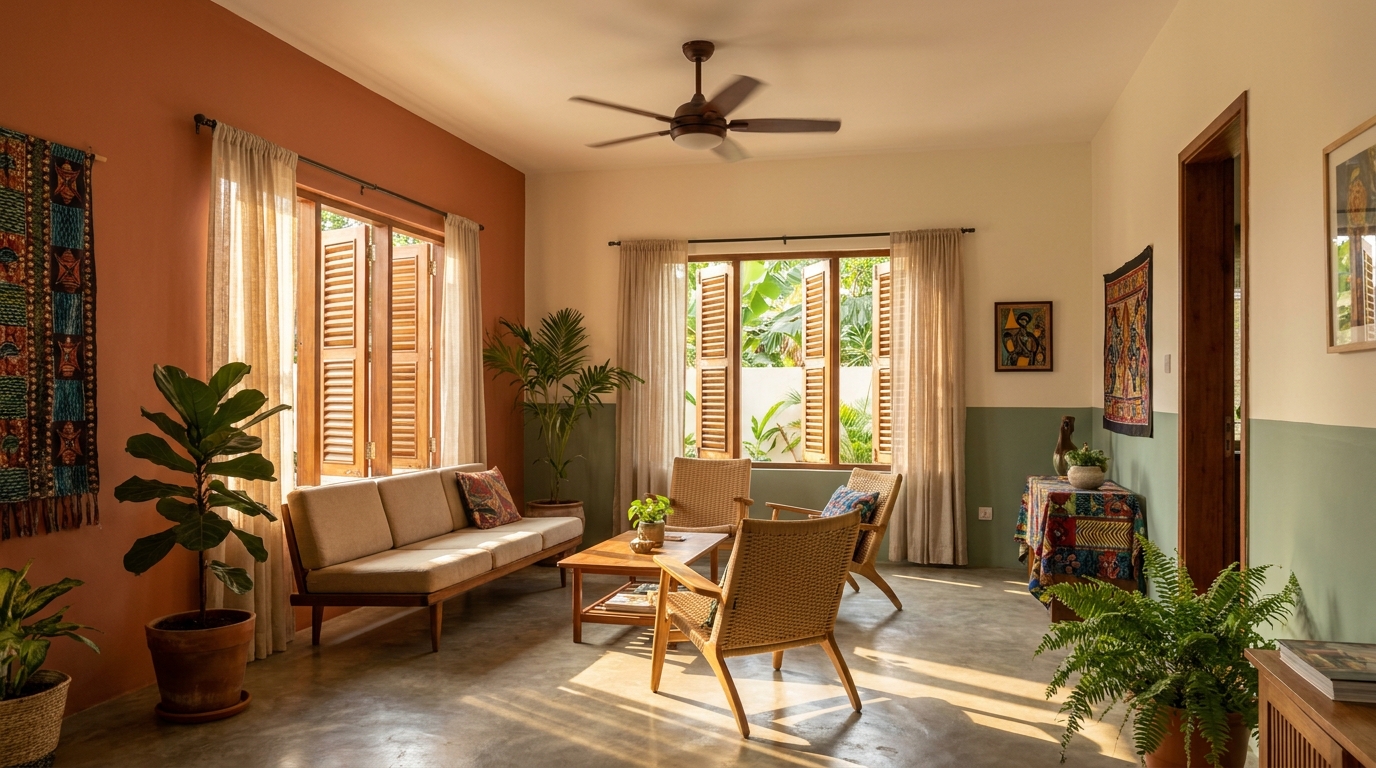
Pale sand colors also deserve attention. They complement Nigeria’s natural environment beautifully. Furthermore, they disguise dust accumulation much better than bright white walls.
Dark colors deserve careful consideration before application. Deep brown, charcoal, navy blue, and black absorb large amounts of solar heat. Consequently, indoor temperatures increase, especially when wall insulation remains limited. Those colors work better as accent features than complete exterior finishes.
Humidity creates another challenge entirely. Moisture encourages mold, algae, and mildew growth, particularly around shaded walls. Coastal cities experience this problem more frequently. This is because humidity remains high throughout most months.
Lighter colors reveal mold early. That visibility allows you to clean affected areas before permanent stains develop. Dark colors often hide moisture damage until repairs become expensive.
Paint quality matters just as much as color. Moisture-resistant exterior paints withstand heavy rainfall more effectively. Meanwhile, breathable paints allow trapped moisture to escape. Instead of bubbling beneath the surface.
Your roof color also influences wall temperature. Light-colored roofs reflect additional sunlight, reducing overall heat entering the building. Dark roofing materials increase heat gain despite excellent wall colors. Coordinating both elements produces better thermal performance.
Interior paint deserves equal attention because indoor comfort depends heavily on color selection. Living rooms benefit from warm neutral shades like ivory, beige, soft cream, and greige. Those colors create relaxing environments while reflecting available daylight throughout the room.
Bedrooms require calming colors that encourage rest. Soft sage green introduces freshness without overwhelming the senses. Gentle sky blue produces a peaceful atmosphere. Warm off-white also works beautifully because it complements almost every furniture style.

Kitchens benefit from brighter colors because cleanliness becomes visually important. Light yellow introduces warmth and energy. Soft cream keeps the room fresh-looking. Pale green creates a healthy, natural feeling that pairs nicely with wooden cabinets.
Bathrooms experience constant moisture exposure. Therefore, pale grey, crisp white, or soft aqua perform exceptionally well. Those colors make compact bathrooms appear larger. While exposing mold before serious problems develop.
Natural lighting should influence every color decision. Rooms receiving abundant sunlight often appear brighter than expected. Testing paint samples throughout the day prevents expensive disappointments after complete application.
Still have questions?
Navigating the real estate market can be complex. Head over to the iPropty Q&A hub to get expert answers, or ask your own question today!
Explore the Q&A Hub