
Cross River State is proactively advancing its aim of providing affordable housing. It is proposing to provide 1,500 houses in the state. By using an innovative construction approach to cut costs of construction and increase home ownership. The initiative puts the state at the forefront of Nigeria’s emerging public housing markets. And advocates sustainable building techniques, local industrialization, and inclusive economic development.
The ambitious program is part of the Cross River State Government’s initiative to mitigate the increase in the housing deficit of low-income public sector workers. The government seeks to control the cost of development. With the use of locally sourced construction materials. And alternative building technologies, while ensuring the quality of projects in a variety of housing estates.
The project also exemplifies the growing commitment of state governments. To access housing by exploring creative financing, strategic alliances, and sustainable development.
The housing strategy is unveiled at a high-level institutional briefing. One that was attended by construction professionals, architectural consultants, housing experts, and representatives of civil service unions. The governor reaffirms his government’s pledge to increase affordable home ownership. And enhance the socio-economic status of Cross River people during the event.
The governor said the traditional methods of housing delivery have become increasingly costly. And as a result, home ownership is becoming difficult for many low-income earners. He says the use of alternative building technology and local building materials will bring down the project cost to a great extent. Even without any degradation in the quality of the structure.
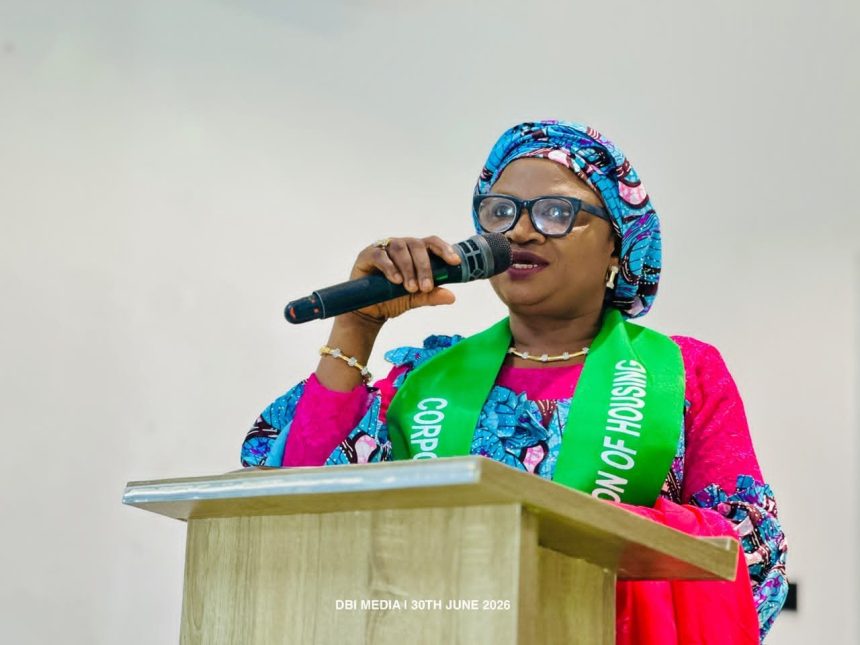
The housing program is aimed at providing 1,500 affordable houses in the three senatorial districts of Cross River. The geographical distribution will help to provide equitable distribution of opportunity to housing. Also balanced regional development throughout the state, government officials say.
The development will provide the base for the Cross River affordable housing scheme. That will be mainly aimed at civil servants who have difficulties in acquiring affordable residential properties.
The state intends to build using compressed earth bricks. Instead of relying on large amounts of imported construction materials. Use alternative cements produced locally. They expect this to significantly lower the cost of materials. And promote more local buying from local suppliers and manufacturers.
This will be expected to reduce reliance on imported construction products. Reduce production costs. And eventually result in lower costs for completed housing units for potential home buyers.
Conventional mortgage financing remains inaccessible to many people with low income, as it has a high entry cost and imposes strict lending criteria, says Governor Otu. In response to these challenges. The administration is implementing a Public-Private-Community Partnership (PPCP) approach.
The model enhances government leadership. Private sector investment and community engagement to deliver housing faster without compromising on affordability.
“It is an innovative framework that allows for the distribution of the responsibility of development to various stakeholders and contributes to project sustainability,” according to housing experts.
The Housing Commissioner. Dr. Beatrice Igwe says the traditional system of providing housing needs should be overhauled. This is to address the increasing demand. Her ministry has set up very strict monitoring mechanisms, she said. To make sure that projects will be completed on schedule and that they’ll be of a good quality.
During the period of implementation, the production of bricks, the progress of construction, and structural stability shall be monitored every day.
She says this will lessen the amount of financing that would otherwise be lost. And provide beneficiaries with long-lasting, quality housing.
The project has already started work on a large part of the scheme. The government recently held the groundbreaking ceremony for a 500-unit housing estate in Okuni, Ikom Local Government Area.
The project is regarded by officials as an important step toward realizing the overall goal of providing 1,500 affordable homes throughout the state.
The Okuni development also provides a test bed for the novel construction methodology to be used in future stages of the program.
The state government plans to create a model for the construction of affordable housing. That other states will be able to refer to when planning to implement such projects.
The local labor continues to play the key role in the delivery strategy. The specialized interlocking compressed earth bricks will be created by the workers. And in the surrounding communities on the construction site.
This method considerably saves transportation expenses of transporting conventional building materials for a long distance.
The project is also anticipated to generate hundreds of vocational jobs for the unemployed youth in host communities.
Construction activities will lead to job creation. Which will boost household incomes and local economies, according to government officials.
Growing businesses around project sites may be advantageous to small businesses. such as retailers, transport operators, food vendors, and artisans who will cater to construction workers and future occupants of the projects.
But officials say that paired up with job creation, housing delivery offers broader economic advantages than it does alone.
The administration will continue to follow such an integrated development model for future construction.
One more important part of the homes’ project is funding.
The Cross River State Government is collaborating with the recognized mortgage institutions. This is to create flexible financing alternatives for the qualified civil servants.
According to officials, the financing arrangement is designed to keep beneficiaries from paying huge lump sums. Which can frequently prevent home ownership.
Rather, qualified applicants will be slowly repaying the costs of housing with a set amount deducted from their salary.
It is anticipated that the salary deduction model will mitigate financial strain. But will also offer a consistent payment plan for public servants.
According to government officials, this funding mechanism will make housing more affordable. But will not lead to unrealistic costs for those who benefit.
The administration is also giving free allocation of land for the housing program.
By eliminating land acquisition costs, more funds can be invested in the construction phase. Which can help lower the overall selling price of a home once it’s finished.
The action is expected to enable more low-income people to access the housing units.
The program is not just for individual homeowners. It is hoped it will have an impact on the broader property market.
The provision of more affordable housing will help to ease the strain on rental accommodation in urban centers over time, according to government researchers.
With an increasing number of civil servants relocating to owner-occupied homes, there could be a possible slowdown in the demand for privately rented flats over time.
This may help to provide a more equitable residential property market and access to housing for different income levels.
The finished pieces will also feature contemporary urban design concepts.
Plans involve the government having centralized solar power systems. Also, water supply infrastructure and centralized and functional waste management facilities.
These amenities are designed to enhance the quality of life for their community. And to support environmentally sustainable communities.
The addition of renewable electricity and vital infrastructure projects from the outset will enhance the sustainability and long-term viability of the developments, officials say.
The program also aims to boost the capacity of the local construction industry.
Workers will learn the practical application of the compressed earth technology and sustainable building methods through specialized training centers.
The ministry said that it was important to build up local expertise on these building methods so that they can continue to be used for the construction of future public housing projects.
The government also will record all the stages of the building process.
The paperwork will be used as a guide for future administrations on similar affordable housing projects, officials say.
The guide will be expected to lead to uniformity of construction and to save the use of costly imported materials.
The move is said to be part of a wider trend towards sustainable housing delivery in the property industry in Nigeria.
The advantages of the use of locally produced construction materials and new construction methods are becoming more apparent to both developers and the general public.
The Cross River model, if realistically in place, may impact policies in other states that are grappling with affordable housing problems.
The program is a positive sign from the government to encourage more partnerships. And sustainable financing for residential infrastructure development, which is important for property investors.
An increase in housing supply to support the growth of real estate can also create a “spillover effect” on other real estate investments in transportation, health care, education, retail services, and infrastructure.
New housing developments can also bring an increase in land value and business prospects.
The project illustrates how innovative construction methods are crucial for providing sustainable, affordable housing solutions at a large scale. Particularly for developers.
But the availability of public-private partnerships, local manufacturing, and the use of alternative building technologies is becoming a necessity to solve Nigeria’s housing problem.
The Cross River affordable housing scheme. Is thus not just another residential construction project.
It represents a new way of delivering housing that is innovative, sustainable, economically inclusive, and long-range urban planning.
The ongoing program, if delivered successfully, can be a very great model for future public housing projects in Nigeria.
With a projected 1,500 affordable housing deliveries. Cross River State has emerged as a key player in the affordable residential development league. And also provides housing opportunities to the low-income earners. The state is leveraging the use of local building materials and flexible mortgage financing. Developing a skilled workforce and forming strategic partnerships to create a more inclusive property market and prove that innovative housing policies can play a role in sustainable urban development and long-term real estate investment.