
A property may appear to be absolutely fine during an afternoon of sunshine and completely another thing when it rains heavily.
One of the obvious lessons learnt during the floods experienced in some areas of Abuja after heavy rainfall on Saturday, 15th August, 2026.
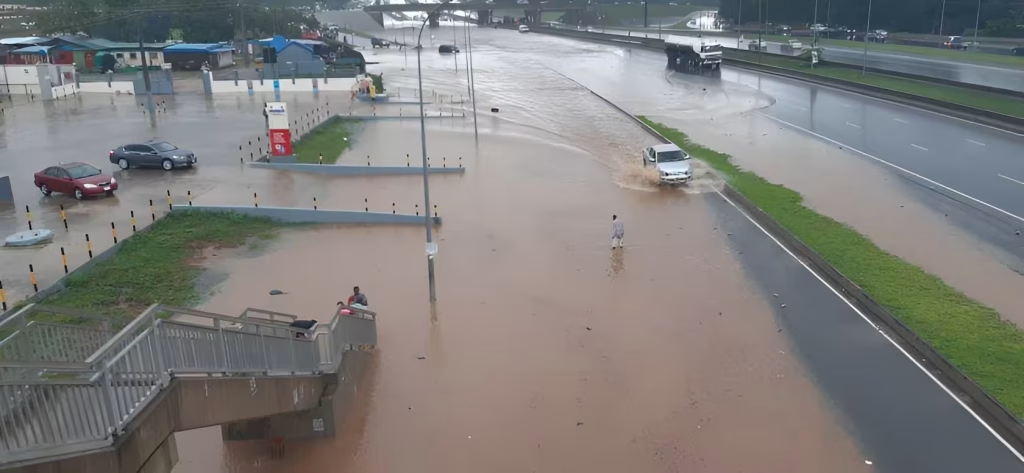
There were impacts in Wuse 2, Gudu and Lokogoma areas, and floodwater in Gaduwa-Durumi bridge, with reports of residential compounds in Katampe being flooded, with property and vehicles affected.
Movement, safety, and damage were the primary issues of concern for most people.
But for the real estate sector, there is an additional question which we must ask: What does this say regarding the selection of property in Abuja?
A good district does not guarantee a good property
The property market in Abuja makes people consider the district when purchasing a property.

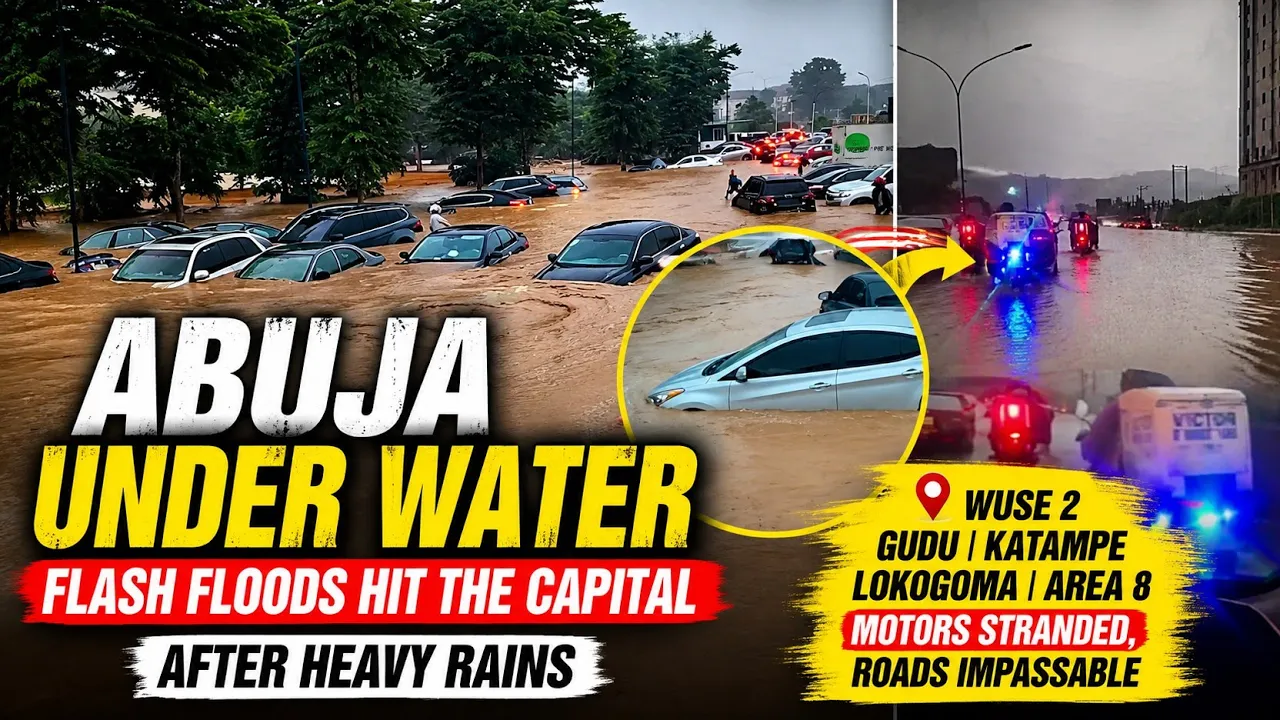
Maitama. Asokoro. Katampe. Gwarinpa. Wuse. Gudu. Lokogoma. Everyone wants to live here.
However, the mention of a district does not guarantee that a certain property is prone to flooding.
In the same neighbourhood, two properties might be located on varying levels and have varying levels of drainage and would fare very differently depending on the amount of rainfall experienced.
It is for this reason that people buying property should take care not to depend on the reputation of a neighbourhood.
It is always better to ask: Does this particular property have a good level of stormwater management?
One flood does not prove a property is flood-prone
It is crucial to make this point clear.
An occurrence of extremely high rainfall doesn’t necessarily mean that all the properties in that affected neighborhood are unsafe, or that every rain will cause floods.
But it gives you valuable information to look into.
When you notice that flood water consistently pools on a particular road, floods into houses, or prevents access to the place, then that past record would matter to any individual thinking of buying a property there.
The recent flooding incident in Abuja should only serve as a wake-up call to investigate rather than an automatic conclusion that the entire area is flood prone.
This would be a better way to handle this situation.
The buyer needs to know when it happened, where it happened, and how bad it was.
The real issue is what happens to water around the property
When viewing the property, potential buyers always view the building itself. They pay attention to the roof, walls, tiles, plumbing system, electricity and other finishing works.
However, they need to also take into account another important factor.
Where does rainwater drain to? Is the property situated below the level of the road? From where does water from neighboring properties flow to? Is there a proper drainage system in place? Is the drainage system clogged with debris and construction materials?
These questions are important since floods do not occur only because of heavy rainfall.
Abuja’s rapid growth makes the question more important
Abuja continues to develop, with new buildings, roads, estates, and paved surfaces changing the physical environment.
The FCT Administration has acknowledged the need to address flooding in affected areas following the latest incident. Its spokesperson said the administration was taking steps aimed at preventing future occurrences.
The latest debate has also highlighted broader concerns around drainage capacity, waste disposal, development, and the need for infrastructure and planning to keep pace with the city’s growth.
For property owners, this matters because development can change how water moves through an area.
You should therefore not assess a property in isolation.
Look at the surrounding roads. Look at neighbouring developments. Survey the topography.
The environment around a property can be just as important as the building sitting on it.
Flood hazards can be costly for property owners
In the first place, floods are not merely a nuisance.
They may cause damage to buildings, fences, electrical equipment, furniture, cars, and other things.
In addition, they may obstruct access to the property and reduce its attractiveness as a rental place.
Thus, for an investor, this is an aspect that may impact the value of the property in the future.
In this sense, purchasing a cheap property is not always the best deal, especially when the owner continuously pays for water damage.
Similarly, the rental property which looks wonderful but causes access difficulties each time it rains will be hard to rent.
Therefore, the buying price is not the only expense associated with owning a property. Read more on buying affordable houses in Abuja.
Another aspect to consider is the cost of living with the property.
What must the buyer do prior to purchasing?
With the recent floods, it’s safe to say that property inspection shouldn’t only be focused on the property being purchased.
Before you invest your money, find out:
- The elevation of the property compared to the street level.
- The drainage around the property.
- How water flows from the property when it rains heavily.
- Previous instances of flooding in the vicinity of the property.
- The current state of drainage ditches around the property.
- Changes in the natural flow of water due to surrounding development.
- Accessibility of access roads during periods of heavy rainfall.
- Residents’ opinions about the property during the wet season.
You should seek professional help in assessing the physical state and drainage facilities of the property instead of blindly trusting what the seller tells you.
In case it’s possible, conduct the property inspection during/after it rains. You’ll notice something that you won’t when it’s sunny.
Lesson to property developers
However, this problem does not lie only on the shoulders of the buyers.
Developers must also ensure that drainage and stormwater management become a priority early in their project.
There can be a beautifully-designed structure, excellent roads and costly interiors but still pose problems when drainage of water becomes optional.
Thus, drainage is not merely an infrastructure concern. It becomes a value property concern as well.
Poor drainage may affect not just the functionality but even the longevity of the property developed.
On the contrary, proper planning would lessen risks and add resilience to the property.
Abuja flood: Property lesson
The floodwaters will certainly dry up. The footage will go away. Everyone will stop talking about it.
But those who intend to buy property should not forget the lessons of the flood. Location is more than just an area name.
Location consists of the terrain, elevation, drainage, road access, and development around it, not to mention how water behaves during rain.
That is why, when buying properties in Abuja, one should consider the following questions besides “Can I afford this property?”: “What am I missing in this property?”
Sometimes people find the answers to their questions only during the rainy season.
For all people intending to buy, rent, or invest in properties in Abuja, this information can prove invaluable.
Still have questions?
Navigating the real estate market can be complex. Head over to the iPropty Q&A hub to get expert answers, or ask your own question today!
Explore the Q&A Hub