
The Federal Government is assessing about 250,000 housing units trapped in abandoned projects across Nigeria, with plans to recover and make some of the properties available to Nigerians, including civil servants.
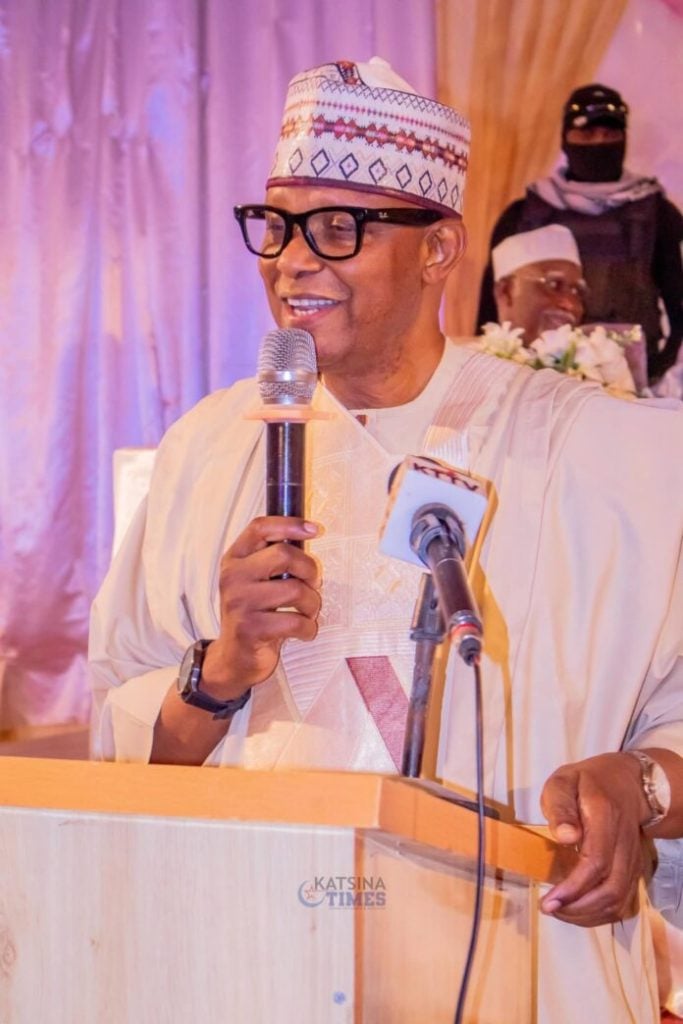
The Minister of Housing and Urban Development, Dr. Muttaqha Rabe Darma, disclosed this in Abuja during the presentation of houses to about 430 staff members of the Nigerian Midstream and Downstream Petroleum Regulatory Authority (NMDPRA).
According to Darma, the government is currently compiling information on abandoned housing projects across the country as part of efforts to increase Nigeria’s housing stock.
The minister said government officials were visiting states where abandoned housing projects are located to assess the properties and determine how they could be recovered.
He also disclosed that the Federal Government was engaging state governors over the possibility of taking over or acquiring some of the abandoned developments. The recovered projects could then be allocated to civil servants and other Nigerians.
Government Targets Existing Housing Projects
The proposed recovery of abandoned housing projects represents part of the Federal Government’s broader attempt to increase housing supply without depending entirely on new construction.
Darma said about 250,000 units could potentially be recovered from existing abandoned projects.
The government is therefore taking stock of these properties and gathering statistics on their locations and conditions.
The approach could help bring stalled housing investments back into use if suitable projects can be acquired, renovated or completed.
For Nigeria’s property sector, abandoned housing developments represent both an existing housing resource and a development challenge. Their recovery would depend on factors such as ownership, project condition, financing and agreements between the Federal Government and state authorities.
Darma said discussions with state governors were already part of the government’s approach to determining how some of the projects could be taken over or acquired.
FG Wants to Reduce Rent Burden on Workers
The minister also linked the housing recovery plan to the high cost of accommodation facing Nigerian workers.
Darma said the Federal Government wanted to ensure that workers no longer spend between 40 and 60 per cent of their incomes on rent.
He argued that high housing costs place significant financial pressure on families.
According to the minister, reducing the share of income workers spend on accommodation would leave households with more money for other essential needs.
He also said excessive housing costs could indirectly create conditions that encourage corruption because workers facing financial pressure may seek additional sources of income.
The government’s stated objective is therefore not only to increase the number of available homes but also to improve affordability.
Darma said the Federal Government was working with stakeholders and regulators to increase the supply of affordable housing across the country.
Housing Deficit Remains a Major Challenge
Darma put Nigeria’s housing deficit at about 16 million units.
He identified the high cost of land, building materials and infrastructure as some of the major factors making homeownership difficult for many Nigerians, particularly workers.
The cost of developing new housing can increase significantly when land acquisition, construction materials, infrastructure and financing are combined.
For low- and middle-income households, these costs can make outright home purchases difficult.
The government is therefore exploring different financing options to complement its housing delivery plans.
These include access to the National Housing Fund and mortgage facilities.
Darma said particular attention would be given to workers in the informal sector, who may face additional challenges accessing conventional mortgage finance.
The Federal Government also plans to expand its social housing programme to communities across the country, including all 774 local government areas.
The stated aim is to make affordable homes more accessible to low- and middle-income Nigerians.
430 NMDPRA Workers Benefit From Housing Programme
The announcement on abandoned housing projects came as the government presented houses to about 430 employees of the NMDPRA under the Renewed Hope Housing Programme.
The initiative is designed to provide workers with access to homeownership while supporting staff welfare.
Speaking at the ceremony, NMDPRA Chief Executive, Rabiu Umar, said the authority was committed to improving the welfare of its employees.
He said housing security could contribute to workers’ stability and productivity.
According to Umar, employees who have greater confidence about their personal and family welfare are better positioned to concentrate on their professional responsibilities.
He commended the Federal Government, the Ministry of Housing and Urban Development, the Federal Mortgage Bank of Nigeria (FMBN) and other partners involved in the initiative.
Housing Projects Planned for Abuja, Kano and Lagos
The President of the NMDPRA Staff Cooperative Society, Abdullahi Auta, described the housing allocation as an important milestone for the authority’s workforce.
Auta said about 430 NMDPRA workers would benefit from the initiative, with projects located in Abuja, Kano and Lagos.
He noted that the initiative comes at a time when rising land prices, construction costs and other housing inputs have made homeownership increasingly difficult for workers.
The first phase of the development includes several categories of housing.
The Chief Commercial Officer of Renewed Hope SPV Limited, Dare Makinde, said beneficiaries would have access to two-bedroom and three-bedroom flats, as well as three-bedroom terraces with boys’ quarters and other housing types.
According to Makinde, 365 housing units have been earmarked for Abuja, while additional units will be delivered in Kano and Lagos.
He also disclosed that the second phase of the project would begin in 2027.
Partnerships Central to Housing Delivery
The government’s housing strategy is expected to involve several stakeholders rather than relying solely on federal funding and construction.
Darma said the Federal Government would work with state governments, federal institutions, mortgage institutions, developers and private investors.
Such partnerships could provide different forms of support, including land, financing, construction expertise and mortgage access.
The Managing Director of the Federal Mortgage Bank of Nigeria, Shehu Osidi, congratulated the NMDPRA beneficiaries and praised the collaboration behind the programme.
Osidi said partnerships such as the NMDPRA housing initiative could help expand affordable housing and create more opportunities for Nigerian workers to become homeowners.
Recovery Plan Faces Implementation Questions
While recovering 250,000 abandoned housing units could increase the number of homes available, the government will still need to determine which projects are viable.
The condition of abandoned properties can vary considerably. Some may require repairs, additional infrastructure or significant construction work before they can be occupied.
Ownership and legal issues may also need to be resolved where projects involve different levels of government or other parties.
The government’s engagement with state governors will therefore be important in determining how individual projects are handled.
For the wider real estate market, the plan could provide an alternative approach to increasing housing supply by putting existing developments back into productive use.
Darma has urged government agencies to move beyond announcements and focus on delivering tangible housing projects.
The proposed recovery of abandoned units, expansion of social housing, mortgage financing and partnerships with private developers form part of the Federal Government’s wider Renewed Hope Housing Programme.
The programme remains one of its major interventions for expanding access to affordable housing and addressing Nigeria’s housing shortage.