
Lagos State Deputy Governor, Dr Obafemi Hamzat, has called for infrastructure planning that puts residents’ needs at the centre of urban development.
He said transport, land use, drainage, energy, technology and environmental systems must be planned as connected parts of the city rather than separate projects.
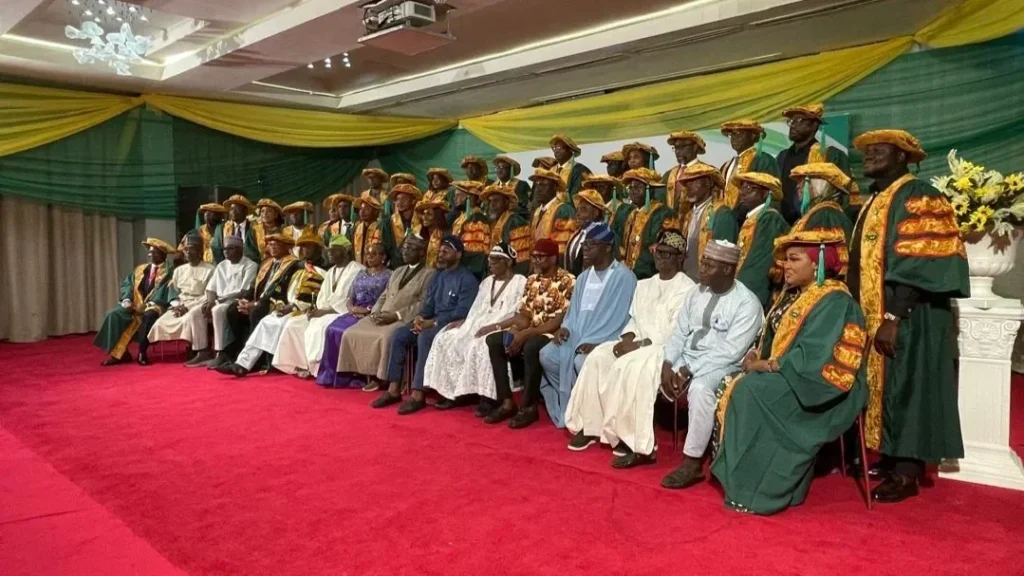
Hamzat made the call on Thursday, September 24, 2026, at the Nigerian Society of Engineers (NSE) 2026 Third Quarterly Dinner and Fellowship Conferment in Lagos. He was represented at the event by the Lagos State Special Adviser on Infrastructure, Mr Olufemi Daramola.
The event also saw 102 engineers admitted into the NSE fellowship cadre.
According to Hamzat, the role of engineering goes beyond constructing roads, bridges and other physical structures. He said infrastructure should solve problems, improve movement and safety, support economic activity and ultimately improve people’s quality of life.
Lagos Urban Growth Requires Better Infrastructure Planning
Hamzat said Lagos’ rapid population growth and urbanisation were increasing pressure on existing infrastructure.
He called for infrastructure that can respond to current needs while also preparing for future demand.
For the housing sector, this approach is important because constructing homes alone does not create fully functional communities.
New residential areas require roads, drainage, water, energy and transport connections. Without these services, residents may struggle to access workplaces, schools, markets and other essential services.
The deputy governor’s position also places infrastructure planning within the wider challenge of managing Lagos’ continued urban expansion.
Hamzat has previously stressed the importance of physical planning in preventing flooding, disorderly development and other problems associated with poorly planned communities.
Transport, Land Use and Drainage Need Coordination
Hamzat said engineers should consider the relationship between transport, land use, drainage, energy, technology and environmental management when designing infrastructure.
Decisions in one area can affect other parts of the urban system.
For example, housing development without adequate transport connections can leave residents with longer journeys and limited access to jobs and services.
Similarly, residential development without proper drainage can increase exposure to flooding. Inadequate water and energy infrastructure can also make new communities more difficult to operate.
An integrated approach allows these requirements to be considered before residential and commercial development becomes established.
This is particularly relevant in Lagos, where available land is under increasing pressure and new development continues to spread towards emerging urban areas.
Infrastructure Can Influence Housing Development
The relationship between infrastructure and housing goes beyond providing access to completed homes.
Infrastructure can influence where developers choose to build, the cost of construction and how attractive a location becomes to buyers and tenants.
Hamzat explained that the usefulness of a road comes from its ability to connect people with communities and opportunities.
He similarly noted that bridges improve connectivity, while drainage systems protect lives, homes and businesses. Energy infrastructure, meanwhile, supports households and businesses.
These connections are important for the property market.
For developers and investors, assessing a location therefore involves more than checking land availability and construction costs. Access to roads, transport, drainage, electricity, water and other services can affect the long-term viability of a development.
Areas with better infrastructure can support economic activity, while infrastructure gaps can increase the cost and complexity of creating new communities.
Infrastructure Must Anticipate Future Demand
Hamzat also called for infrastructure planning that looks beyond present requirements.
He said Lagos needs infrastructure that is resilient, sustainable and capable of responding to changing needs as the city grows.
This has direct implications for long-term housing development.
Infrastructure designed only for current population levels can become inadequate when residential communities expand. Transport networks can become congested, drainage systems can face greater pressure and public utilities can struggle to meet rising demand.
Planning for future growth can help reduce these pressures.
It can also improve coordination between land-use decisions and infrastructure investment. This can help direct development towards areas where transport and public services can be provided more effectively.
Engineers Urged to Participate in Policy and Planning
Hamzat also urged engineers to expand their role beyond design and construction.
He called for greater professional involvement in planning, policy development, infrastructure maintenance and sustainable development.
His comments placed emphasis on viewing infrastructure as a connected system rather than a series of individual projects.
Maintenance is also important to this approach.
Roads, drainage systems, bridges, water facilities and other infrastructure require continued investment after construction. Without proper maintenance, their performance can decline as usage and population increase.
For Lagos, where infrastructure serves a large and growing population, the long-term success of new projects will depend on both construction and maintenance.
Private Sector Has a Role in Infrastructure Delivery
The scale of Lagos’ infrastructure requirements also creates room for greater public-private participation.
The Lagos State Office of Public-Private Partnerships (OPPP) says its framework is designed to support collaboration between the public and private sectors in infrastructure development and service delivery. Its project portfolio includes transportation and other major infrastructure projects.
The state has continued to use PPP arrangements across different sectors.
In July 2026, Lagos signed four concession agreements covering healthcare, transportation, digital governance and public asset management, according to the state’s PPP office.
The state has also used PPP structures for major transport infrastructure. The official PPP documentation for the proposed Fourth Mainland Bridge, for example, describes a project intended to improve connectivity and open new areas for future development.
Public and private investment can therefore play complementary roles in connecting new housing and commercial developments to wider transport and utility networks.
Infrastructure Investment Has Property-Market Effects
Infrastructure development can also change the potential of surrounding areas.
New roads can improve access to previously less-connected locations. Transport projects can make residential and commercial development more viable, while drainage and environmental infrastructure can reduce some of the risks associated with urban expansion.
For property developers, these changes can affect decisions about where to acquire land and develop projects.
However, infrastructure must be coordinated with land-use planning to achieve these effects.
The Lagos State Government’s infrastructure programme covers several areas, including roads, bridges, drainage, energy, water and environmental management. The challenge is to ensure that these systems work together as the city continues to expand.
Housing Growth Depends on More Than Buildings
Hamzat’s remarks highlight the close relationship between infrastructure and Lagos’ housing market.
As the city grows, new homes will require reliable transport connections, drainage, energy, water and other services.
The issue is therefore not simply how many houses are constructed. It also involves whether the surrounding infrastructure can support the people and economic activities that come with new development.
For developers and investors, infrastructure availability and future capacity will remain important factors when assessing emerging property locations.
For policymakers and engineers, the challenge is to ensure that infrastructure expansion keeps pace with urban growth.
Greater coordination between infrastructure investment, land-use planning and housing development could help new communities connect more effectively to transport networks, public services and economic opportunities.
As Lagos continues to urbanise, the deputy governor’s call places integrated infrastructure planning at the centre of the state’s broader housing and urban-development needs.