
Unfortunately, incidences of building defects and structural failures in Nigeria are not unusual. And have caused the owners of property millions of naira annually. Substandard buildings, materials and failure to comply with building regulations remain a danger to life. And even to investment all over the country. There are many projects that look good on the outside. But have construction defects on the inside. And they only come to light after the project has been quality inspected. Knowing the reasons for a building failing inspection allows a buyer, a homeowner, an investor and a developer to avoid costly pitfalls. Majorly before buying or occupying a building.
The Quality Inspection is not a standard procedure. It confirms that the structure is built to an acceptable standard. To the approved plans and to offer a safe environment for people.
The Most Common Reasons Buildings Fail Quality Inspection
The quality of construction starts before the first block is put on the ground! All projects need adequate planning. It requires approved designs, skilled professionals and adherence to building regulations. Unfortunately, some developments neglect these requirements. They do this to achieve a lower cost or faster development time.
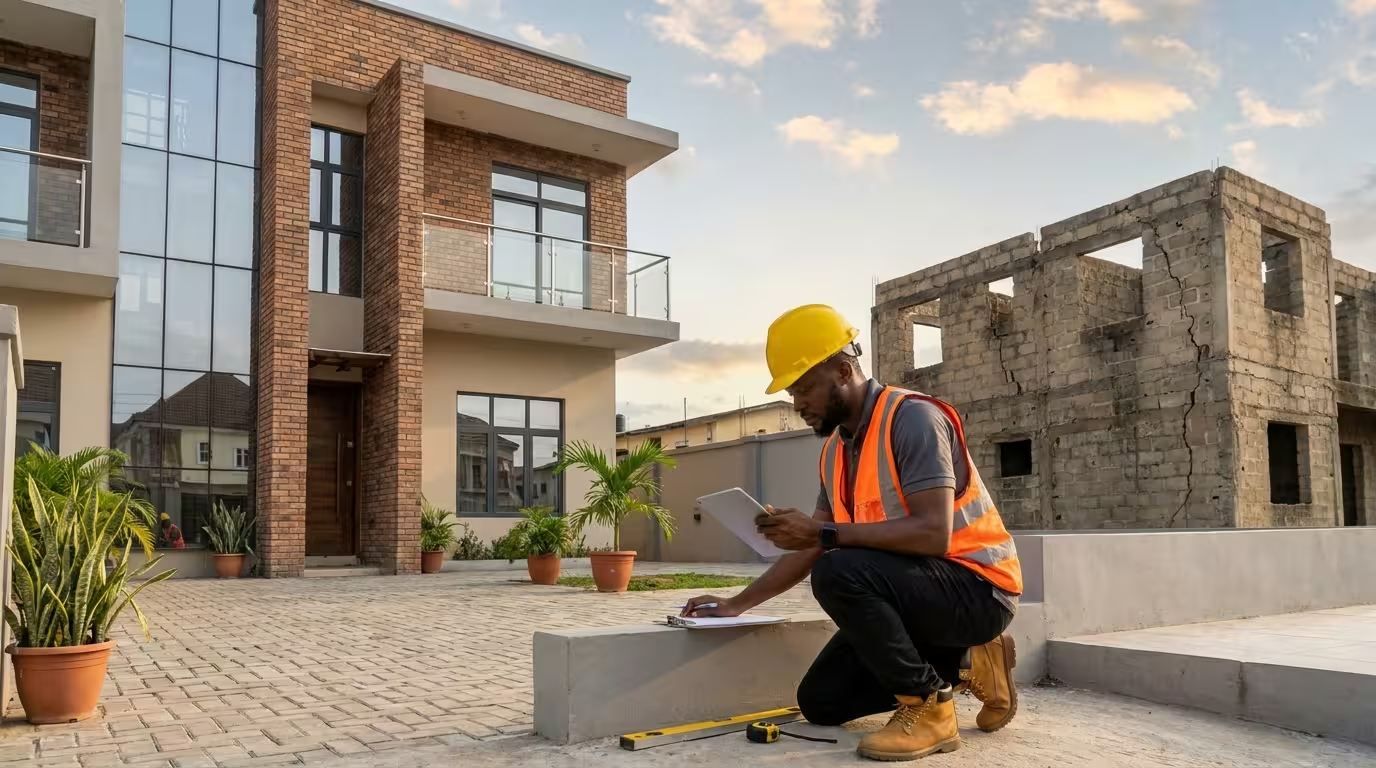
Poor workmanship is a major reason why inspections may not be satisfactory. Even with high-quality materials. Many unskilled craftsmen and/or contractors can set up the structure improperly. Defective blockwork, poor alignment of blocks and lack of reinforcement. Also a poor installation of roofing materials all reduce the structural integrity of a building.
Another significant worry is poor quality building materials. Some of the materials used in cement, reinforcement steel, roofing sheets, plumbing, and electrical fittings are not up to industry standards. So, buildings are more susceptible to cracking, corrosion, water penetration and early deterioration.
Foundation issues also play a major role in needing to be passed. Each building needs a footing that can support the weight of the structure and the type of soil it’s built on. If a geotechnical investigation is not provided, the foundations can settle unevenly . And result in cracking of walls, floors and structural columns.
The long term effects of structural damage are often caused by poor drainage. The water that pools near structures slowly undermines foundations. And promotes infiltration of water into walls. Drainage systems are therefore closely inspected by quality inspectors. They do so before the completed development is approved.
Electrical installations are carefully inspected as it is thought to be a cause of fire. Failure to meet inspection standards can be caused by loose connections and overloaded circuits. Even exposed cables, and/or non-compliant installation. Always do electrical work to approved safety standards by a qualified electrician.
Inspection results are also influenced by plumbing systems. Poor pipe installation, lack of adequate water pressure, leaking joints, and lack of adequate wastewater drainage. All this affect building performance, and lead to higher maintenance costs after occupancy.
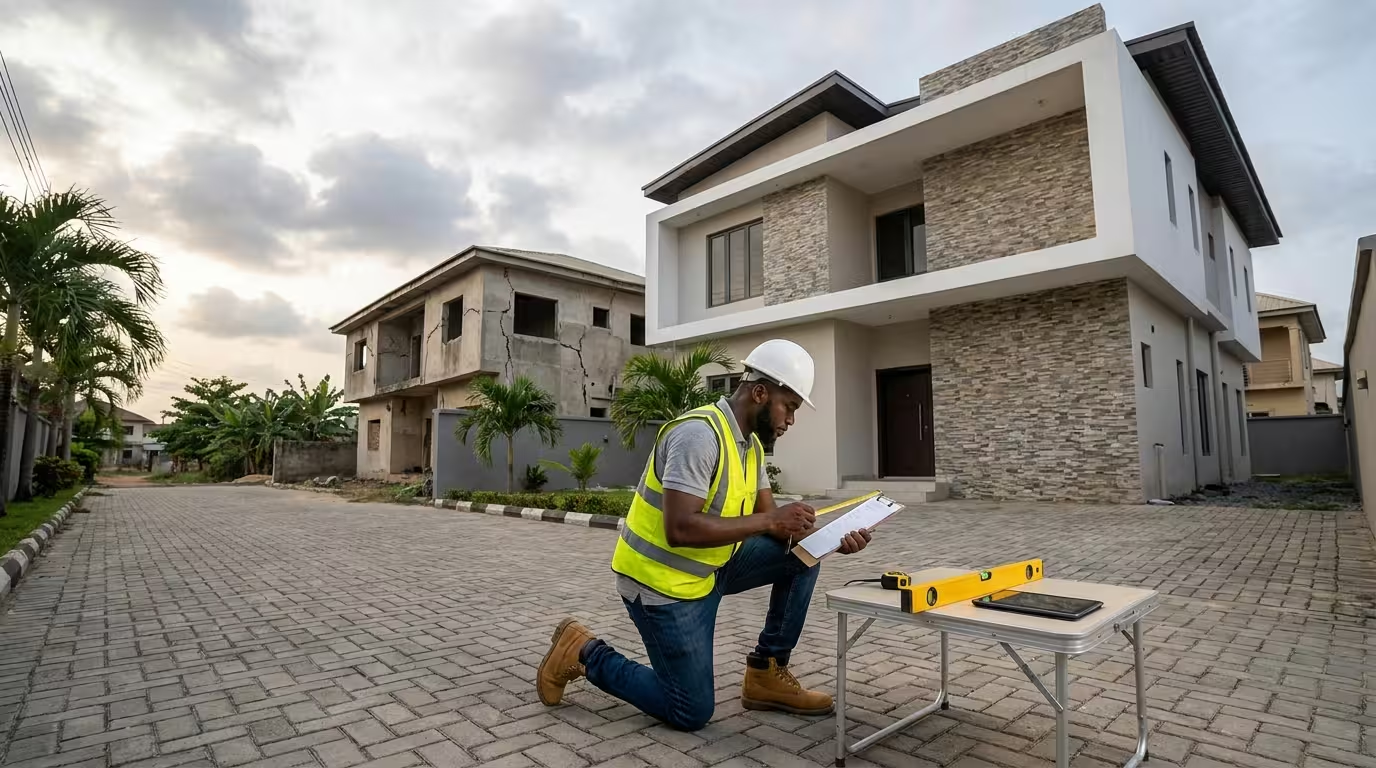
Applying for approval for buildings is another important consideration. Buildings that are not built under approved architectural and structural drawings could be in contravention of planning regulations. Or do not meet the minimum safety requirements. Completed buildings are checked against approved development plans prior to issuing certifications.
How Professional Quality Inspections Protect Property Buyers
Quality inspections are an important form of safeguard. Particularly for all who enter the property market. When buyers invest their money, they are confident that the buildings meet the acceptable construction criteria. Developers also benefit as quality assurance adds to their reputation . And decreases the time and money invested in corrective actions. After a project has been completed.
Structural, roofing, electrical, plumbing, finishes, ventilation and drainage. Even overall workmanship are all professionally inspected. They do not just consider how a building looks. They also assess whether it is built to an engineering standard. And in accordance with building regulations.
The inspection of structural cracks should be done carefully. Some cracks on the surface are due to material shrinkage. And other wider or larger cracks could mean that there is foundation movement or weakness in the structure. The professional assessment will help identify cosmetic defects from critical engineering issues.
An inspection of the roof goes beyond looking at roofing sheets. The roof framing, fastening characteristics, waterproofing features, flashing installation, drainage features, and the ceiling integrity are inspected. Installing roofs correctly helps to prevent buildings from being destroyed. Mostly during rainy seasons in Nigeria and increases their lifespan.
Windows and doors are also addressed. Because they are areas where a poor installation can impact the weather tightness. It affects ventilation and security of the home. There should be no parts of the frame that do not match up properly. This allows water to enter or hindering the ability to achieve energy efficiency.
Building quality is further indicated by the completion quality. Damaged floor finishes, wall tiles with gaps or holes. The peeling paint and poorly-fitted fixtures could signal other substandard installations in the building.
In today’s modern residential development. The results of an inspection are being increasingly affected by mechanical systems. Backup power installations, water storage systems and . Also elevators and fire protection equipment need to be working properly. And comply with the relevant installation requirements.
Practical Steps to Protect Yourself Before Buying Property
The first step to protecting your investment is to do your due diligence. Attractive marketing materials and newly painted finishes should not be the only indicators that buyers should look for. Independent examinations are objective assessments. As they expose defects before they are passed onto the next owner.
Ensure that the property has all the necessary development approvals in place . Together with appropriate planning authorities. Building plans are approved. And show that the project met the regulatory requirements prior to the start of construction.
Another vital protection is to have qualified professionals. Structural engineers, architects, quantity surveyors and building surveyors have the skills to do the objective assessment of the quality of construction. They typically find problems in the home. Problems that the average home buyer might not notice in their independent reports.
Ask for documentation of building supplies, structure and maintenance when available. A good developer will have a project record. One which shows the quality control during construction.
Long term building performance is also dependent on location. Floodplain properties, wetlands properties and properties built on unstable soil sometimes need other engineering solutions to keep them standing. Investors should be aware of local environmental factors prior to investing.
Building maintenance is an investment that continues to benefit the building . Even long past completion. If there are any small leaks in the roof or drainage systems. Any damaged finishes or crack sealants. These should be addressed immediately. In order to prevent these problems from becoming serious structural issues. Extensive repairs always run up a greater cost than preventive maintenance.
Developers can also greatly profit from the importance of quality at all stages of construction. Buyers will have more confidence in the project. And potential liability will be mitigated with the investment in competent professionals. Even certified materials, effective supervision, and regulatory compliance. Good standards of construction also enhance the value of property in residential estates in the long term.
Finally, quality inspection shouldn’t be seen as a waste of money. It shouldnt be seen as a burden on the administrative process. Rather, it is one of the best measures that can be adopted for the safety of life. Safety of investment and trust in Nigeria’s housing industry. When buildings are constructed to meet safety and construction requirements, the benefit is to all stakeholders.
A structurally sound building is not only aesthetically appealing. But it also provides an element of security. It offers homeowners and investors security, durability, reduced maintenance and value. Nigerians should demand that any property they buy or take up is professionally inspected. Before spending any money on it in order to protect the safety of their families and their finances.
Still have questions?
Navigating the real estate market can be complex. Head over to the iPropty Q&A hub to get expert answers, or ask your own question today!
Explore the Q&A Hub