
Even as Nigeria continues to face property challenges, it remains one of the top investment destinations for West Africa. The recent River Park Estate battle has brought investor protection and land administration to the fore. The Federal Government guarantees that claims of ownership will be decided by legal process. The officials also reiterate Nigeria’s commitment to maintaining the long-standing diplomatic ties between the two nations with Ghana. The government’s stance aims to ensure that commercial disputes do not strain the bilateral cooperation and trust in Nigeria’s property market.
The controversy has caught regional media attention due to the involvement of investors from Ghana in River Park Estate. This estate is one of the largest estates in the private residential area of Abuja. Competing claims of ownership have led to several lawsuits over the years. The issue now has moved from owning the property to investor confidence. Authorities say existing laws and procedures are the right way to handle all claims.
The federal government continues to assure investors of its commitment to safeguarding all valid investments, foreign and domestic,” the government has said. They also emphasize that no investor is above the law of the land of Nigeria. All land disputes shall be addressed through judicial procedures, up to resolution. This will build trust in Nigeria’s legal institutions. It also showcases the government’s commitment to fairness and transparency.
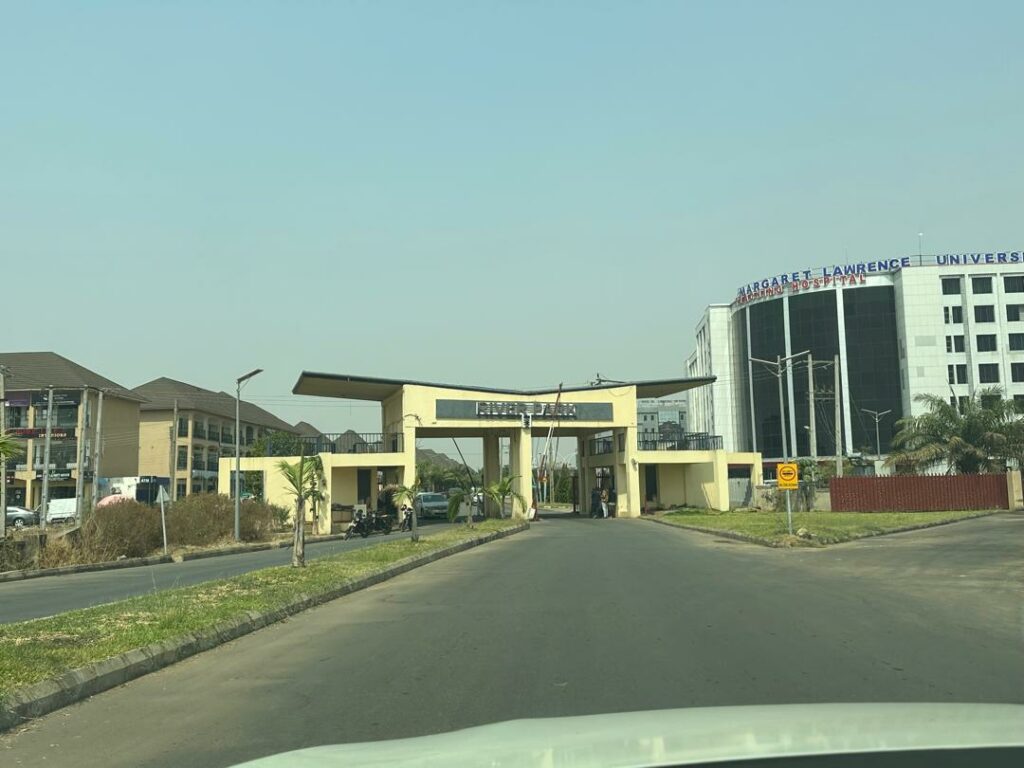
But officials warn against reading any commercial quarrels into diplomatic differences. Nigeria and Ghana are continuing to have strong political, economic, and cultural relationships. The Economic Community of West African States continues to be an influential body for both countries. They are also involved in trade, education, security, and regional integration cooperation. There is a strong emphasis on the fact that bilateral relations are still more important than any individual business dispute, according to government officials.
Diplomatic efforts go on in addition to judicial action. Ghanaian authorities are in touch with the authorities during the dispute. They turn to clear institutional means to respond to concerns. Such a measure, which is both balanced and guarantees the maintenance of diplomatic relations, does not affect court proceedings. The officials have said that legal independence has and will boost investor confidence, not take it away.
The River Park Estate dispute revolves around conflicting interests related to land ownership and investment. Various claimants have said they have rights to parts of the development. There are legal complexities that have been raised, given these competing interests, which need careful consideration by the judiciary. Documentary evidence will need to be considered by courts before they can decide who owns the article. Property rights are independent of public opinion; they are based on legally established documentation.

One of the most vexed real estate challenges in Nigeria is land ownership. High population growth has created pressure on the demand for residential/commercial land. This need can at times reveal shortcomings in documentation and verification processes. Investors are thus exposed to greater risks if they do not conduct due diligence. Legal verification is an effective way to minimize uncertainty prior to acquiring property.
The government has decided to encourage investors to examine each property they are interested in carefully before making any investment. Purchasers should conduct ownership checks with relevant land administration agencies before making a purchase. Attorneys should also scour the contractual documents before the completion of transactions. These measures help to prevent future conflicts. When done properly, verification is a safeguard for both individual buyers and institutional investors.
One of the most crucial steps in the process of property acquisition is the land title verification process. Purchasers are advised to verify the registered ownership prior to paying. They should also thoroughly research the property’s previous owners. The legal claims are outstanding and must be quickly clarified. Thorough due diligence helps to make transactions safer.
Nigeria’s land administration system is still undergoing modernization with digital reforms. The benefits of digitization are that verified property information is made more accessible. Electronic records also minimize opportunities for document manipulation. The faster the verification, the more secure the transactions of a property. These changes boost investors’ confidence in the real estate sector in Nigeria.
Federal and state land agencies are also better coordinated, which enhances land administration. The sharing of information helps to minimize discrepancies in land records. Having undergone coordinated verification processes, ownership is more transparent. The documentation systems are more convenient for investors. Modern administration contributes to the sustainable market development.
Documentation is the best defense, according to property experts, to future ownership disputes. There should be well-drafted legal contracts in each transaction. It is advisable for the buyers to acquire registered titles prior to purchase. Without paperwork, there is an unnecessary financial risk. Paperwork still plays an important role in investment security, even in the long term.
Financial institutions also require established property records prior to granting financing for development. Ownership records are carefully checked by banks as part of the credit risk assessment process. Issues that remain unresolved can keep financing at a standstill. Good documentation helps in accessing investment funds. The higher the level of legal certainty, the more people feel confident to lend.
Clear land administration systems are also beneficial for developers. The lack of ambiguity in ownership minimizes delays and legal uncertainty on projects. Documentation is essential for a smooth construction process. Investors are also more comfortable in the knowledge that a development is properly verified. Good governance facilitates sustainable development of industry.
The Federal Government remains committed to driving changes in the investment climate in Nigeria. Transparent land administration is a component of the economic modernization program. Authorities understand that the confidence of investors relies on the credibility of institutions. To attract domestic and foreign capital inflows, one must have legal security. Smoothly working government fosters long-term property market growth.
In addition, the property sector has other important methods of dispute resolution. Commercial disputes can be resolved more effectively through mediation. For more complex disputes, an alternative is arbitration. These mechanisms parallel court proceedings, as applicable. The overall market confidence is enhanced by efficient dispute resolution.
Both sides are advised to honor court procedures during the process. The importance of judicial independence for the protection of property rights continues to be critical. Documentary evidence is objectively analyzed by courts before making decisions. It protects the rights of legitimate ownership interests. Legal institutions have to be respected to boost investors’ confidence.
The case of the River Park Estate also provides an example of the lessons that can be learned in the larger context of the booming property market in Nigeria. When buying or selling property, it is important to plan and be fully guided by professional expertise. Documentation is gaining ground as valuable risk management for investors. The legal verification has become the common requirement for investments. Governance is robust and delivers certainty throughout property markets.
Nigeria remains a key investment destination in Africa. Long-term housing demand is being driven by population growth in the larger cities. The urban sprawl also provides opportunities for residential development. Demand for commercial property remains on the rise, as does economic activity. These investment opportunities are enhanced by transparent institutions.
Abuja continues to be one of the fastest-growing real estate markets in Nigeria. Development of infrastructure continues to lure residential and commercial investment. Local and foreign investors are interested in premium estates as they create a constant demand. Land administration is thus very critical. Continued market expansion is safeguarded by reliable governance.
The government officials are still optimistic that the judiciary process will be able to fairly resolve the dispute over the River Park Estate. There is continuing diplomatic interaction to assist in the maintenance of good relations between Nigeria and Ghana. There is also improvement through institutional reforms of land administration that increase transparency. The joint efforts build investor confidence in Nigeria’s commitment to property rights in the country’s long term. They have emphasized that robust legal oversight is crucial for the sustainable development of the real estate industry and trust by foreign investors.