The devastating floods in Lagos have sparked a new debate on the future of real estate development and investing in property. As developers, investors, and policymakers look to implement solutions to ensure homes, infrastructure, and property values remain protected and resilient against climate risks, industry stakeholders are now looking to climate resilience as a priority.
The shift is in view of this year’s Three P Conference, organized by the Lagos Chapter of the Real Estate Developers Association of Nigeria (REDAN). Developers, architects, engineers, estate surveyors, urban planners, experts, insurers, financing professionals, and government officials will be attending.
The event is intended to help tackle the increasing effects of climate change on the biggest real estate market in Nigeria. The discussion will shift from emergency flood response to approaches that enhance urban resilience in the long term, the organizers said.
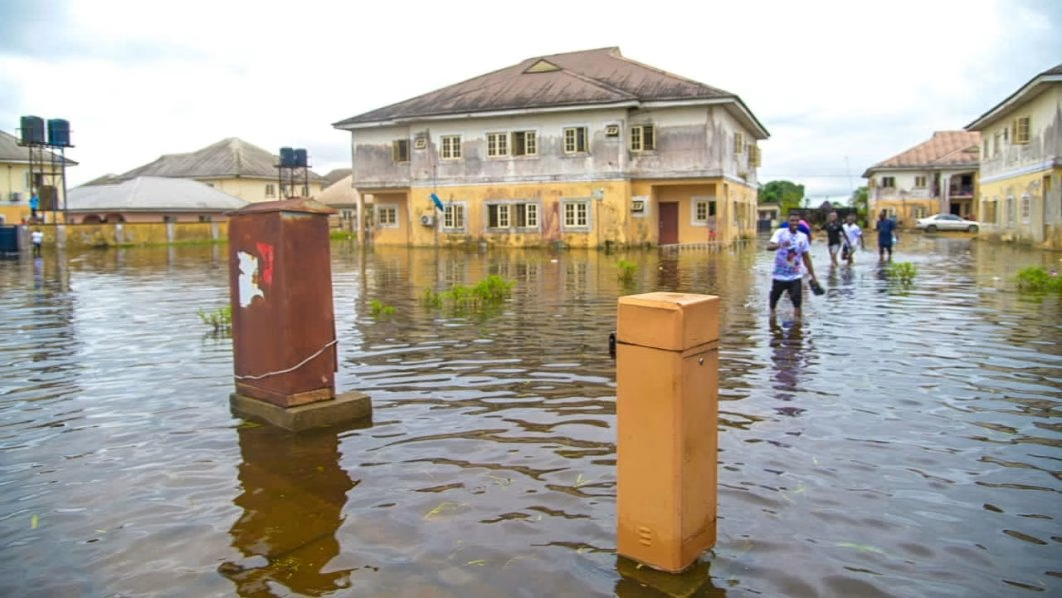
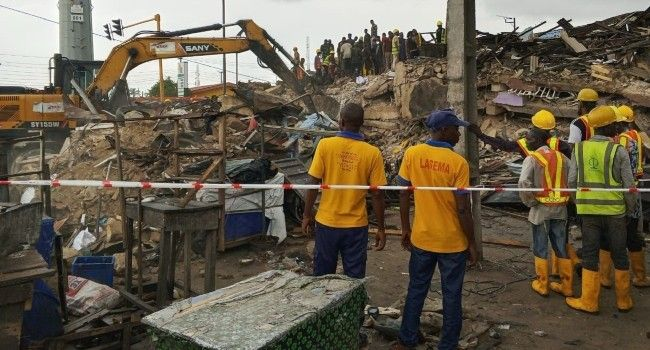
Several residential buildings, businesses, roads, and public infrastructure have been destroyed in several parts of Lagos by recent floods. All of the incidents are continuing to bring up the issue of sustainability for ongoing development practices throughout the state.
There is a growing understanding among property professionals that climate risks are now a part of investment decisions in addition to traditional market factors. The building industry is increasingly considering environmental resilience when making major investments in buying, developing, and financing buildings.
The theme of this year’s conference is “Positioning the Real Estate Sector for Climate Change Mitigation and Adaptation.
The event will explore how climate risks are redefining property development, urban planning, property financing, and insurance and investment decisions in Nigeria, according to REDAN Lagos.
Flood-resistant construction is a key topic at the conference.
Practical applications will be used to examine how buildings can be constructed to minimize damage to the structure during heavy rain and extreme weather conditions.
The following subjects will be discussed: Foundation systems, building platforms, water-resistant construction materials, and better engineering standards.
These strategies are thought to have the potential to greatly enhance building resilience in flood-related communities.
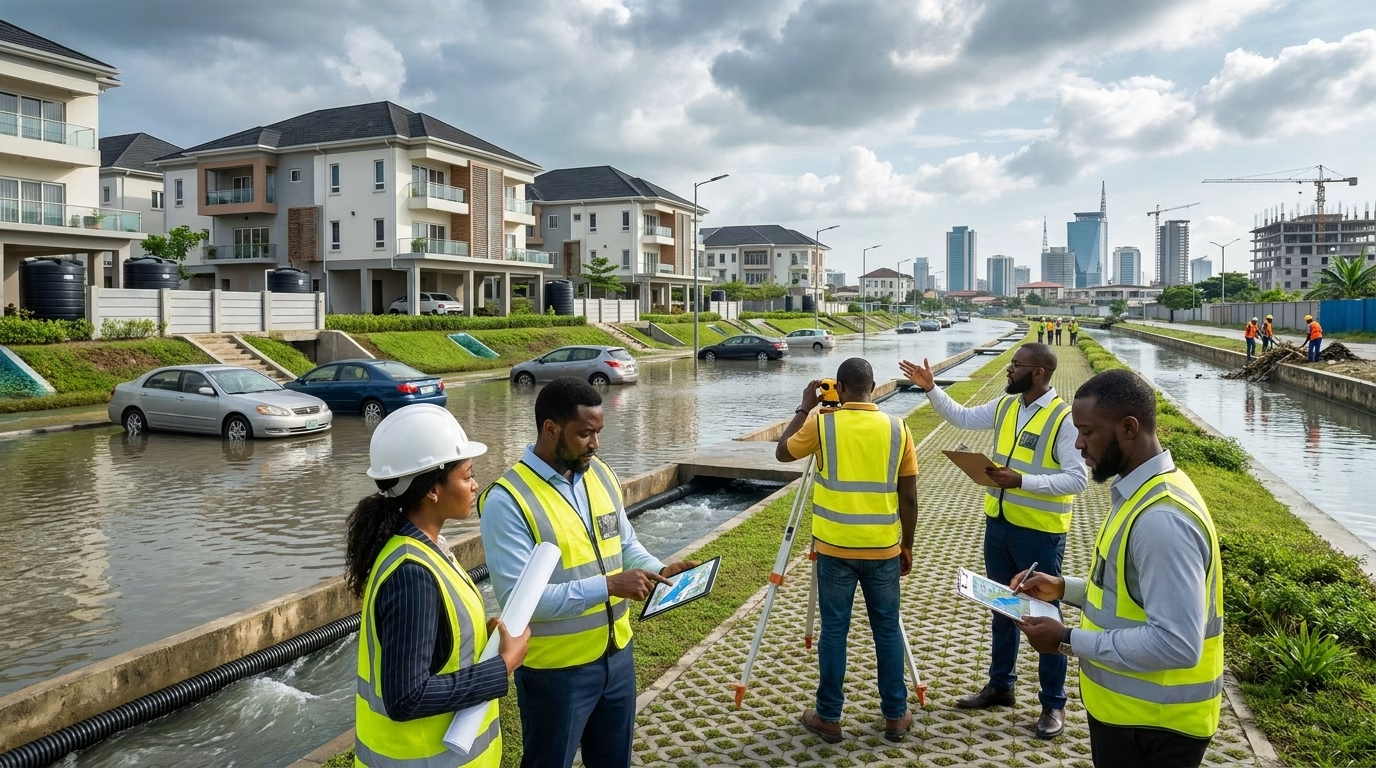
Much attention will be given to drainage infrastructure during the conference.
Participants will analyze the reasons for the ongoing occurrence of flooding in several residential estates despite the ongoing urban expansion.
Integrated drainage systems that can address increased stormwater volume will be assessed by experts.
There will also be discussions on the effective maintenance of the waterways and better drainage channels.
The stakeholders feel that collaboration between developers and government agencies is still crucial to the provision of sustainable infrastructure.
Another important topic of discussion is land use planning.
The urban planners will evaluate the impact of uncontrolled development that has increased the flood risk across Lagos.
The experts point out that flooding in many communities is aggravated by encroachment on wetlands, the blocking of drainage, and floodplain construction.
Speakers will press for more severe planning regulations all over the state.
They will also suggest a more sustainable residential and commercial land use allocation policy.
Industry has contributed to the development of stronger planning controls to increase long-term urban resilience.
The conference will also be a focus on climate risk assessments.
Environmental assessments have become a growing part of the project planning process that is recognized by developers.
Nowadays, users are looking for information in detail before buying any residential/commercial development.
Flood history, drainage capacity, elevation, soil conditions, and environmental risk assessments are often requested by many investors prior to transactions.
Developers think there is a more positive impact on investment uncertainty and market confidence through transparency.
Another significant topic to be discussed will be insurance and property financing.
Financial institutions are making ongoing adjustments to their lending practices to accommodate the increased risks of the climate.
The impact of environmental exposure is becoming more important than ever for mortgage providers in approving development finance.
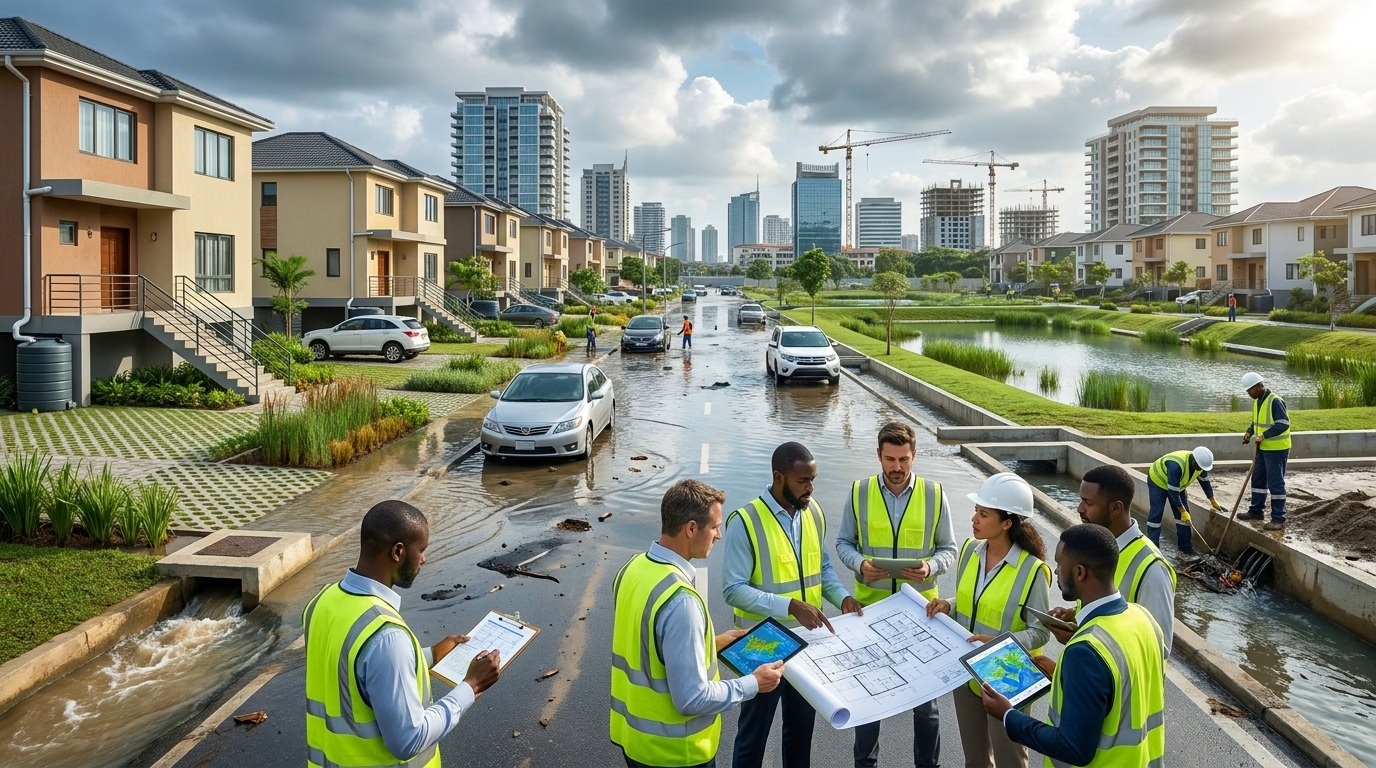
Additionally, insurers are looking at their premiums for homes in flood hazard areas.
Proponents of resilient development say the prospects for financing these developments will improve in the coming years.
Climate-resistant properties can also have higher market values in the long run.
Finely tuned maintenance and lowered insurance claims could also serve to boost investor confidence even more.
The conference is supposed to provide actionable recommendations, not discussion, organizers say.
Participants will be able to identify strategies that can enhance resilience in the property sector in Nigeria.
Improved interagency and private sector cooperation is expected to occur.
Another key hope for the industry is to improve national building standards.
The conference will promote greater sustainability in construction in the future.
Policy recommendations to promote climate adaptation will also be made.
The use of technology will be a key factor in the discussions.
Digital Flood Mapping and Geographic Information Systems (GIS) will be analyzed by experts to make improved planning decisions.
Smart drainage monitoring systems will also be a topic of discussion.
Participants will learn about permeable paving technologies that keep surface water out.
Green infrastructure and rainwater harvesting systems will be included in the proposed solutions for climate adaptation.
Sustainability of the environment will be key to all conversations.
Many in the industry now believe it is in the best interests of business to be prepared for climate resilience.
The developments that are able to handle changing weather are expected to attract a higher interest from investors.
It is therefore recommended that developers build environmental aspects into as early a stage as possible in the planning process.
Future flood risks can be minimized through proper drainage design, resilient road networks, and sustainable infrastructure.
These investments also help to enhance the long-term performance of the projects.
The issue of flooding is not just a seasonal phenomenon for Lagos.
Urbanization processes are still occurring at a fast pace in the state with growing climate pressures.
Equally, development balance with the environment has been a key planning agenda.
Climate resilience is expected to become a key consideration for future real estate investments.
Developers implementing resilient building techniques may have better market demand.
Investors will also be keen on projects with less environmental risk.
The Three P Conference is an important forum for industry cooperation as Lagos continues to face flooding issues.
The event aims to find practical solutions to save lives, protect investments, and improve urban infrastructure.
The recommendations may affect planning policies in Nigeria’s property industry in the future.
The message is getting clearer for the developers, investors, and homebuyers.
Today, building climate resilience is no longer a choice but a necessity in modern real estate development.
It’s fast becoming one of the best bases for sustainable real estate investments and long-term urban development in Lagos.