While thousands of Nigerians have now adapted to working remotely. Many do so at their dining tables, sofas, or plastic chairs, which are inefficient at boosting productivity and health. With the rising price of electricity, internet, and living costs, setting up a home office may seem like a money drain. But luxury furniture and big money are not the key to a working space. By carefully designing and arranging their workspace and leveraging cost-effective furniture and equipment, remote employees can create their own effective home offices. A place that is comfortable, efficient, and healthy for the long term.
Even a well-established home office can help increase the value of residential properties. As flexible working is prevalent in many industries, it is becoming a desirable amenity for many buyers and tenants.
What’s the point of your home office furniture?
Many professionals have a home office today, and it’s not just an optional extra! Today, workers, freelancers, business owners, and digital entrepreneurs work for several hours on a daily basis from home. So, if the furniture selection is wrong, it can cause back pain, neck strain, decreased concentration, and loss of productivity.
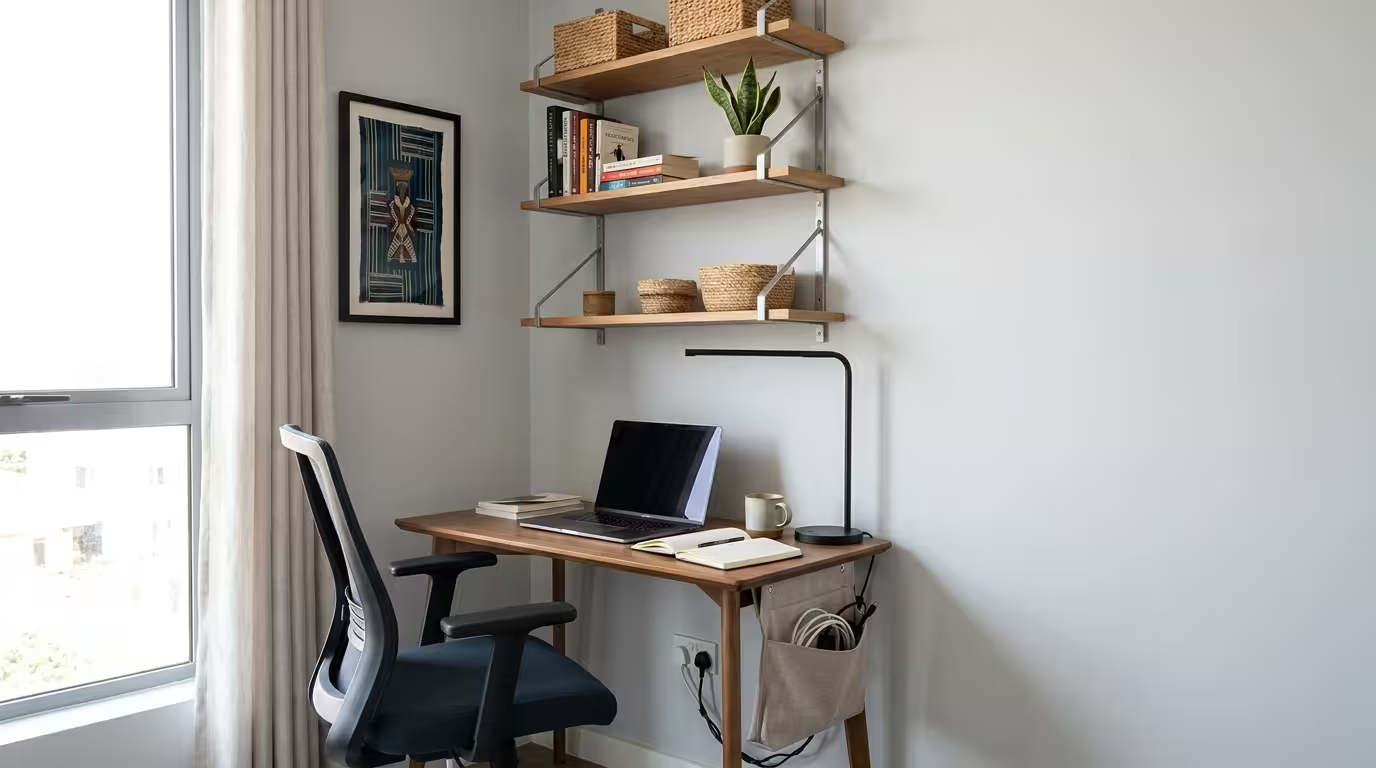
The most important thing to consider is always to choose a comfortable chair. Ergonomic chairs at a premium price level provide great support. There are a number of good budget options that come with adjustable height, padded seats, and lumbar support at a lower price. Buying a good office chair can help to minimize fatigue. And promote proper posture when working long hours at a desk.
Your workspace needs to be taken care of as well. The perfect desk should give enough room to a laptop, external monitor, paperwork, and attachments without cluttering up the space. Wooden desks are still quite popular since they’re both inexpensive and sturdy. Foldable desks are also ideal for apartments with less space.
Furniture should not overpower the space it is in. Large desks and large cabinets can make small apartments look small. On the contrary, using furniture that optimizes space on the floor will lead to a cleaner, more organized floor. Floating shelves and space-saving wall-mounted mounting also help to minimize clutter and retain storage efficiency.
There is a definite effect of light on work performance. The desk should be placed close to a window to maximize the amount of natural light that can be used for viewing and to reduce the amount of electricity required. But computer screens shouldn’t reflect light directly from the sun; otherwise, the glare will strain the eyes. Curtains or blinds can be moved to control indoor light levels during the day.
The efficiency of the workplace is also improved by storage. Documents, office supplies, and electronic accessories are in good order on simple filing cabinets, drawer units, or open shelving. As a result, remote employees will spend less time looking for goods and more time on tasks.
An affordable way to furnish Nigerian homes
The first step in developing a productive workspace is to learn what the actual needs are. Rather than buying furniture that is not necessary. A well-built desk, an ergonomic chair, proper lighting, and an organized workspace generally offer everything that’s necessary for everyday telework.
Locally produced furniture is a great value for homeowners. And property owners who are looking for affordable solutions. The Nigerian furniture makers use locally available materials to make wooden desks. Even bookshelves and cabinets that are durable. The promotion of local manufacturers can lead to lower transportation expenses and promote local businesses.
Multi-purpose furniture is also an effective way to maximize the budget constraint. Desks that are equipped with shelves do away with the need for separate storage units. Similarly, storage ottomans and benches offer seating areas without taking up valuable space for office supplies. The solutions are effective, especially in studio apartments and compact residential developments.
Another pragmatic suggestion is to purchase secondhand furniture. High-quality office desks and ergonomic chairs are often sold as part of a work relocation, desk upgrade, or office marketplaces. Before buying, buyers should check structural integrity, as there may be hidden repair costs.
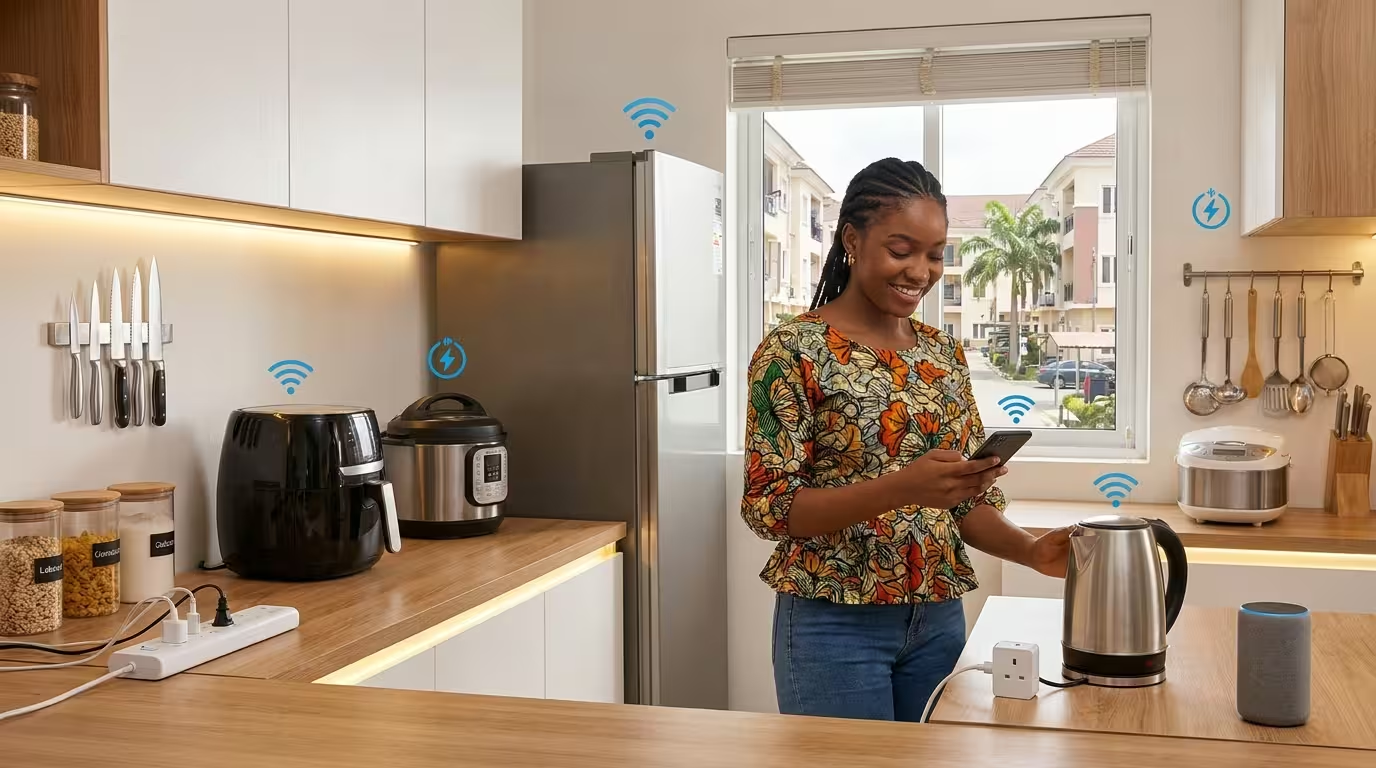
One area that is often forgotten when it comes to designing a home office is cable management. Extension sockets, cable organizers, and desk-mounted clips enhance safety and add to the clean look. Also, organized cables make equipment maintenance easier and decrease tripping hazards.
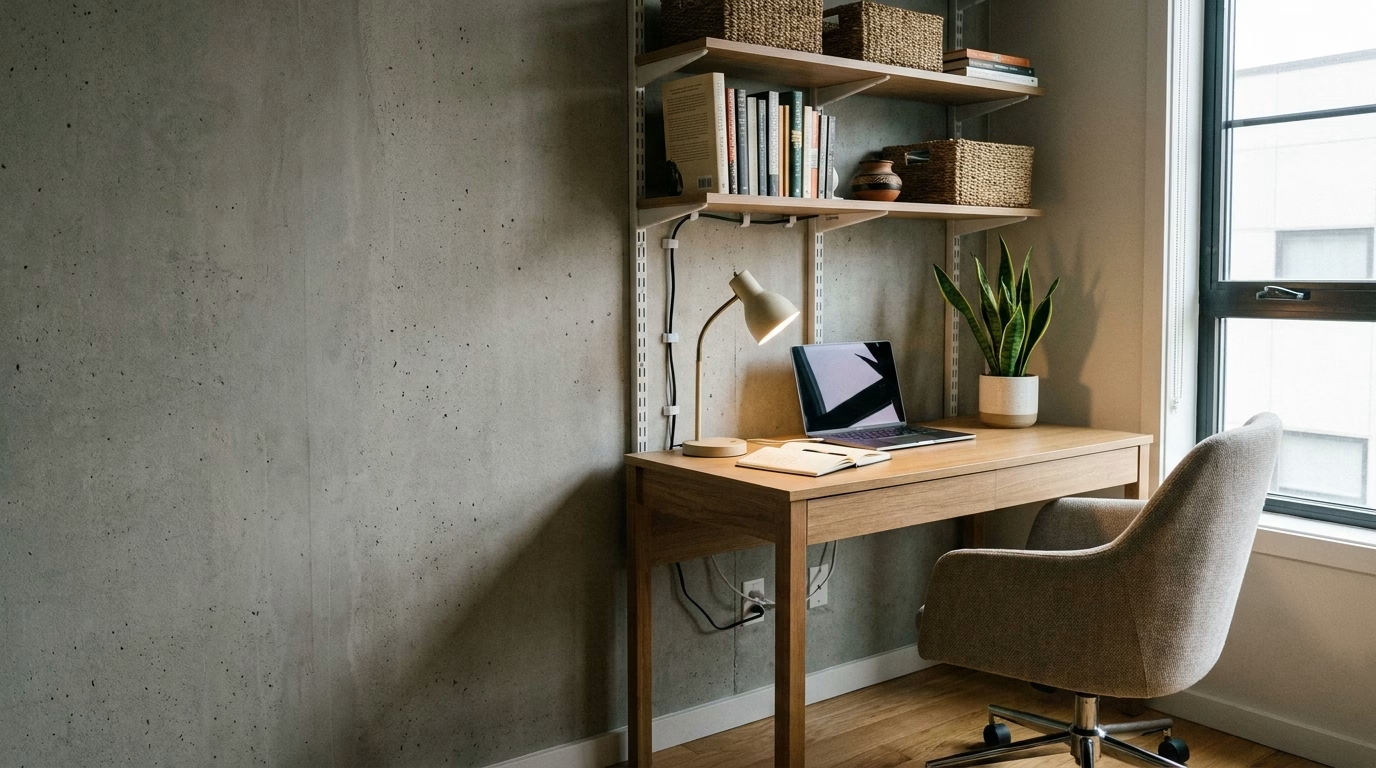
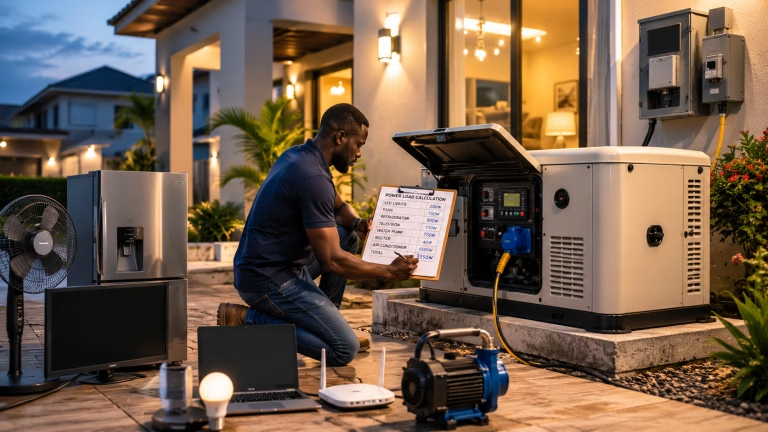
Electricity supply is irregular in Nigeria, and thus additional planning is needed. Laptops, routers, inverters, and charging stations should have easy access to power outlets in the furniture layouts. Backup power for remote employees should be stored with enough space to store batteries or a small backup inverter, but be sure to have good ventilation.
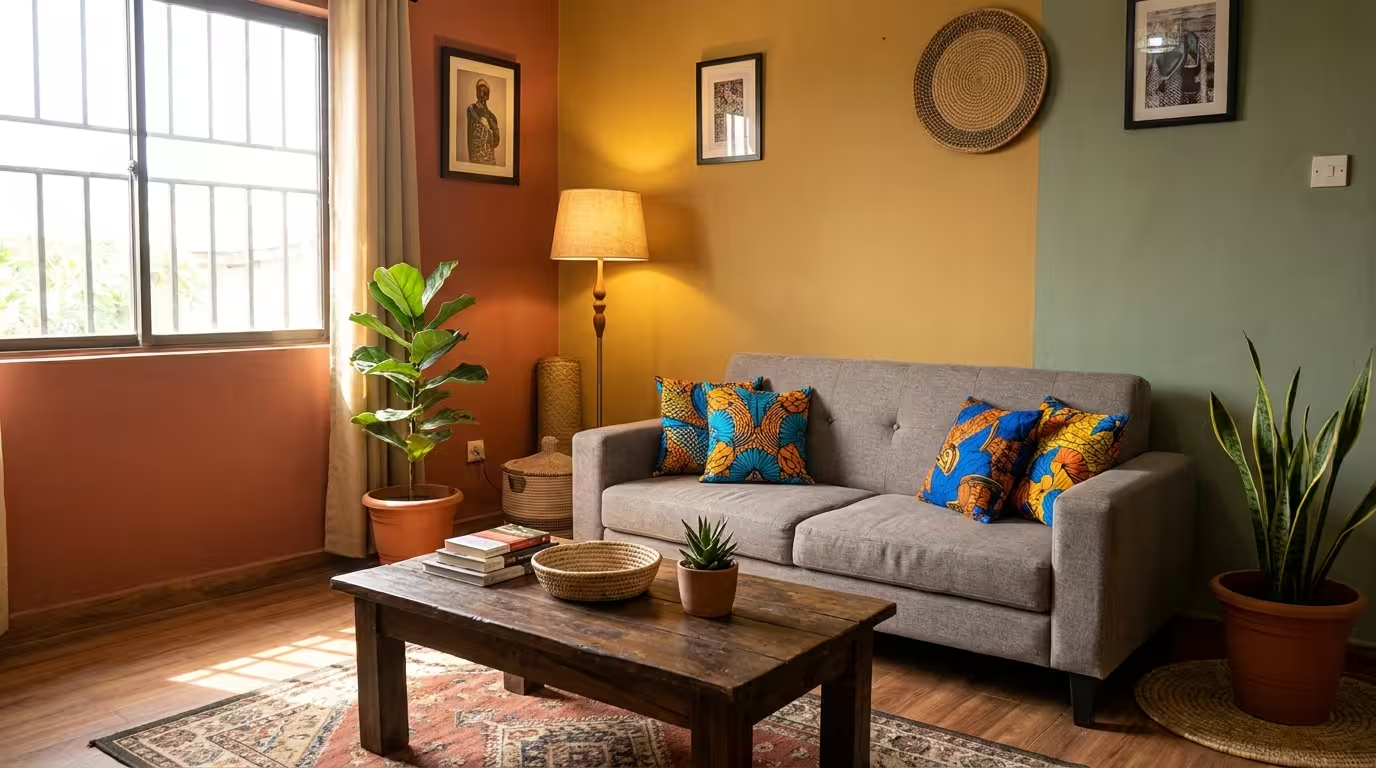
Color choice has a mood and productivity impact. Neutrals like white, beige, light grey, and natural wood colors make smaller rooms look lighter and create a professional atmosphere. Indoor plants also add to the beauty of the workspace and can help to clean the air indoors with little cost.
Designing a Low-Cost Home Office for the Long Haul
When planning a budget, think about getting the best value for money, not the lowest cost. Furniture that is not of high quality needs to be replaced often, which costs more. A marginally higher up-front cost of products such as durable materials will often prove to be good value in terms of financial return over several years.
Some dedicated workspaces may be included in the design of new dwellings. A small study area can make a huge difference in the way the property functions and helps to attract potential buyers. This is an emerging pattern in the minds of developers as it becomes more common to see the shift in preferences in residential housing as remote work becomes more common in urban centers.
Tenants can get the same benefits without changing anything for good. Flexible furniture options include portable desks, movable shelving, and modular furniture, which enable room reconfiguration without the need for permanent changes to the furniture. They are also versatile and make moving easier.
Safety is never to be sacrificed for cost. Modest investments in small items, such as keyboard trays, monitor stands, footstools, or desk lamps, make a huge difference in the day-to-day experience of working but don’t cost an arm and a leg. It’s better to slowly add to the workspace over time rather than buying everything at once.
Furniture maintenance is another way to make furniture last longer. Wooden surfaces are kept clean, loose fittings are tightened, furniture is protected from moisture, and heavy items are avoided to maintain the appearance and structural strength of the components. This will help you maintain the value of your investment and minimize replacement expenses.
The key to a successful home office is not the pricey furniture; it’s just thinking. By focusing on comfort, functionality, and making use of available space, Nigerian remote workers can establish productive workplaces. From the one-bedroom apartments to large families’ homes. Fitted-out furniture will not only make the space more productive. But will add value and practicality to the overall residential property.