
The International Energy Agency (IEA) estimates that electricity consumption of household appliances is a large portion of home electricity use globally. In Nigeria, where power supplies are unpredictable. The adoption of energy-efficient kitchen technology can also reduce energy expenses. And also enhance convenience. Thankfully, it’s not a luxury budget that is required to build a smart kitchen. Apartment dwellers who want a more efficient kitchen for preparing meals don’t need to sacrifice their budgets for a simple automation device. A device that can make the kitchen a much more efficient place to cook.
If you are a renter of a one-bedroom apartment in Lekki or an owner of a flat in Abuja. Are you a resident of Port Harcourt? Then a well-designed smart kitchen is able to enhance efficiency. Lower your electricity consumption and make cooking a breeze. The main point is to invest in practical technology. The ones that provide a solution to a problem rather than a big gadget that doesn’t do very much for the user.
Design Your Kitchen For Daily Needs
The first step to a smart kitchen is to know how you use it day to day. For many homeowners, buying appliances can be based on their modernity. Today, however, smart kitchens can only be useful with all the appliances that have a function.
The first step is to assess your cooking regimen. The equipment used in a home with a double daily cook will be different from that used in a home that only cooks on weekends. This is a way to avoid buying unnecessary items and to make wise spending choices with your funds.
When purchasing an appliance, measure the space in the kitchen carefully. Nigerian apartments generally come with smaller kitchens. So, choosing the right-sized appliances helps create more space to move around with and will also minimize clutter.
Maintaining high levels of energy efficiency should be a priority from the outset of planning. Electricity is still expensive, and power outages are frequent in numerous cities. As a result, electric appliances that use less electricity contribute to lower electric bills in the long term.
During power outages, appliances in the kitchen can be powered by a reliable inverter or solar backup system. But even without alternative energy, energy-efficient devices will decrease reliance on generators and fuel costs.
Light also affects the functioning of a kitchen. The use of conventional lights should be replaced by LED lights. Which results in lower electricity consumption and brighter workspaces. Another added convenience of motion-sensor lights is that they automatically turn on. They turn on when someone enters the kitchen.
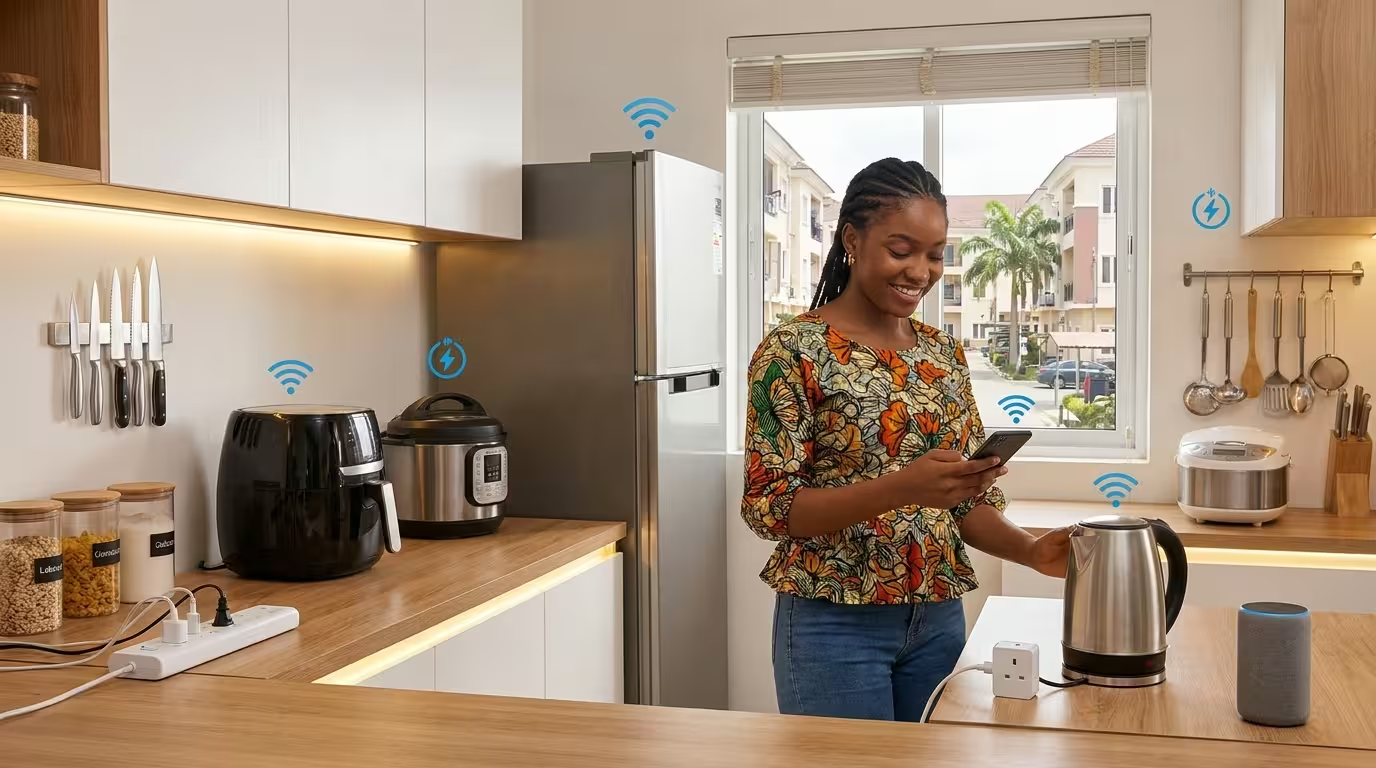
Another inexpensive upgrade is the smart plugs. Homeowners can control appliances from afar with their smartphones, thanks to these devices. Most significantly, they reduce and turn off unnecessary power consumption after use.
Extension sockets with Wi-Fi connectivity also enhance safety. Homeowners can remotely unplug appliances from their home without coming back.
Don’t buy all the smart devices at once; take your time to buy over some months. This will help you stay within your budget and be able to tackle the most beneficial upgrades first.

Purchase low-cost smart appliances
Many think smart kitchens are made with costly imported equipment. Luckily, there are some inexpensive options available that make the lives of Nigerian families easier.
An electric pressure cooker is still a very good buy for those living in apartments. It saves much of the cooking time and uses less electricity than conventional electric cookers. Many models have programmable timers that make meal preparation easier.
Smart rice cookers provide the same ease of use. Adjusts the temperature required for cooking and maintains the heat of meals without burning foods. Cooking rice is a task that many families do regularly, and it can bring them energy savings as well as consistent cooking.
Air fryers are constantly becoming popular, as they are used to cook food with very little oil. They also make healthier meals and shorten the time required to cook things such as chicken, fish, potatoes, and pastries. Compact models are also easy to install in smaller-sized apartment kitchens.
Another smart solution is smart kettles. Excess water is not boiled continuously; only the water is boiled as needed. This can include automatic shut-off mechanisms to enhance safety and conserve energy in many models.
A refrigerator requires energy on an all-the-time basis. When it comes to choosing an energy-efficient model, it will provide long-term savings. New inverter refrigerators operate at a lower electricity rating. But produce more consistent cooling.
Energy-saving water dispensers are also used to save energy. Others automatically reduce heat activity when not in use, thus avoiding needless electricity consumption.
Smart speakers are also a great help in the kitchen. Householders use them to keep track of cooking times, make shopping lists, or have recipes at their fingertips when preparing a meal without holding a tablet or a phone.
Smart displays or internet-enabled ovens, however, might not be worth the investment for a low-income family. Focus on appliances that address problems every day, not for looks.
A good internet connection also enhances the function of smart appliances. However, the majority of inexpensive smart plugs and timers still work the standard way when there’s no internet connection.
Opting for sustainable products made by trusted brands helps to save on upkeep in the future. While it may seem like a lower price, inferior equipment can be very expensive to repair or replace.
Save Money While Building Your Smart Kitchen
Building a smart kitchen doesn’t need to be done overnight. Rather, slow gains are more likely to yield greater financial results.
Work on basic changes that will provide tangible savings. The lighting, smart plugs, and efficient cooking appliances offer the best payback.
If possible, buy appliances when they are on sale. Often retailers provide big sales at the holidays, clearance sales, and major sales campaigns. These seasons make it difficult to stick to a budget when making purchases.
Compare electric ratings before buying. Two appliances can look the same on the outside but use a lot more electricity over a number of years.
Efficiently maintained appliances also maintain efficiency! Dust builds up behind refrigerators, which impacts the cooling efficiency. Similarly, an air fryer and pressure cooker that have been neglected use more energy due to the fact that the inside parts of the appliance start to expend more energy than required.
Good organization also facilitates the flow of work in the kitchen. Frequently used utensils should be readily available. This is to minimize preparation time and unnecessary movement. Wall–mounted shelves, magnetic knife holders, and stackable storage containers help to make the most of a small apartment space. Mostly without costing much to put in place.
Don’t overload electrical outlets. Overloaded circuits also cause safety risks, reduce appliance life, and increase maintenance costs.
Balcony or utility lighting around apartments that is solar-powered is another low-cost improvement. These lights do not operate kitchen appliances, but they help to lower the energy consumption of the entire household.
Lastly, set up a budget prior to buying any equipment. Think about making practical improvements that will cut down on operating costs first. You then consider any decorative gadgets. Each purposefully chosen appliance makes the kitchen smarter, safer, and more efficient over the years.
There is no specific metric for a low-cost smart kitchen; it is not about the number of devices connected. Rather, it is a result of careful planning, energy efficiency, and practical technological solutions. Thereby making life easier. Residents living in apartments in Nigeria can purchase smart home devices. This improves the living spaces in a gradual manner. Allowing you to enjoy increased convenience without undue strain on your financial resources.
Still have questions?
Navigating the real estate market can be complex. Head over to the iPropty Q&A hub to get expert answers, or ask your own question today!
Explore the Q&A Hub