
Nigeria has very high sunshine duration. And it is one of the greatest untapped resources in the country due to the abundance of sunshine throughout the year. However, a lot of homeowners continue to spend thousands of naira per week on repairing their petrol, diesel, and generator. Electricity tariffs, which have been on the increase in the Nigerian cities, have also been a cause of the rising cost of living among the households in these cities. Thus, solar energy is no longer a mere option for the environment. It has emerged as a viable economic choice for householders who want to have reliable power.
Monthly energy bills and daily comfort can be lowered with the solar panels’ installation. But not all solar installations are the same, however. Some homeowners buy systems that fail to provide the electricity they need for their home every day. Others spend lots of money and end up with mediocre quality equipment and workmanship. These expensive blunders typically occur before the installation process begins.
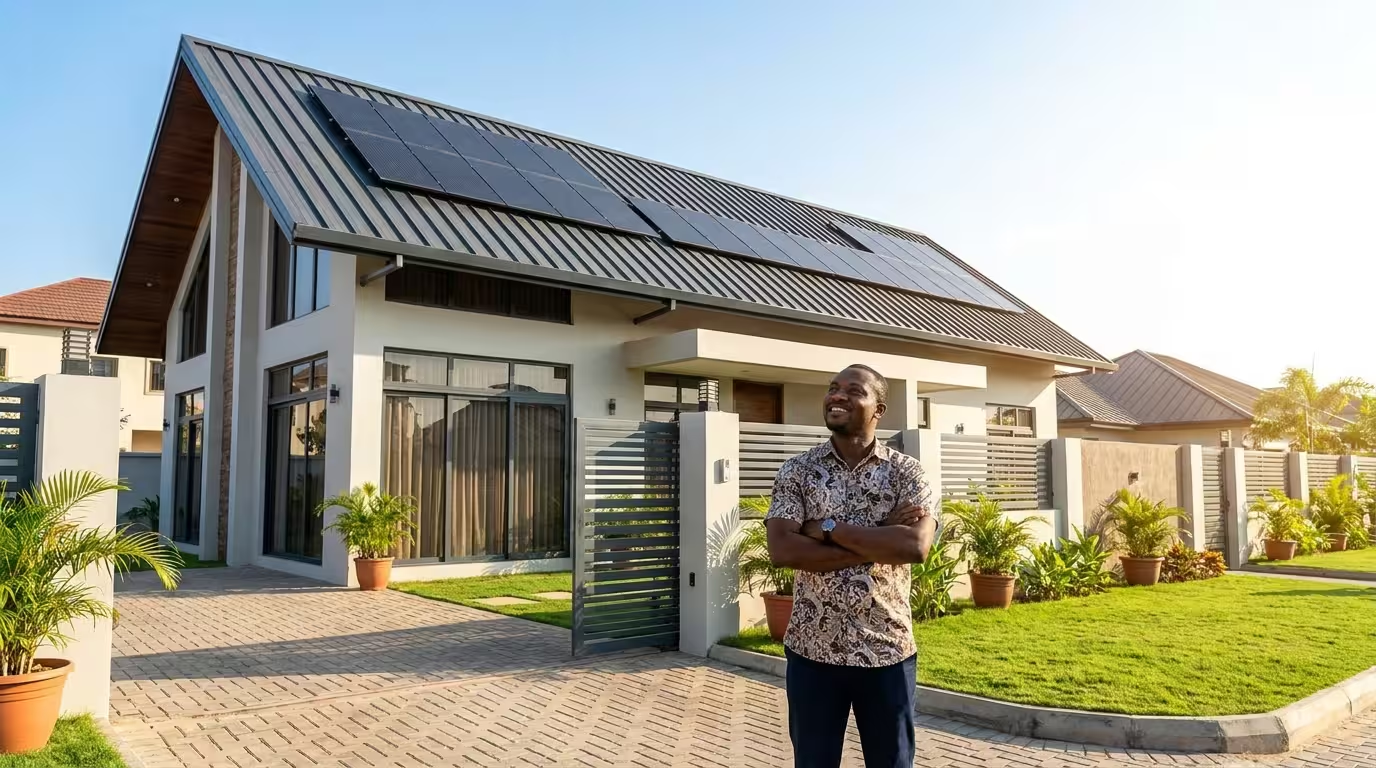
No solar system is ever to be bought due to others buying them. Rather, it ought to be consistent with the power requirements of your home and the long-term monetary objectives. Today’s decisions can ensure you protect your investment for many years. It can also enhance the value and attractiveness of your property.
Why More Nigerian Homes Are Choosing Solar
One of the major problems that confront the residential property owner in Nigeria is reliable electricity. No one thinks to bring a spare battery with them. Batteries are not usually brought along when the power goes off. Meanwhile, the cost of generator fuels has been increasing annually. Daily use of a generator also leads to higher maintenance bills and engine wear. Over time, these regular expenses eat up a lot of a family’s finances.
Sunlight is always available and makes solar energy a reliable alternative. You can save the cost of purchasing fuel over and over when you’re generating electricity from your rooftop. Unused electricity is stored in your system when there’s no sunlight. This means that you will have power at all times during blackouts and at night.
An additional benefit is property value. Purchasers are increasingly seeking alternative power systems installed in homes. Once the solar energy system is professionally designed, it makes your property more attractive. It also decreases electricity costs for future buyers. This will mean your home can sell quicker than other similar homes without renewable energy.
Solar systems also enhance day-to-day convenience. During a power outage, your refrigerator keeps running. Internet routers are kept on for remote working. The security camera is still running without interruption. Children will be able to learn in a relaxed environment all evening. These are useful to your family and make their lives better every day.
Once you know the workings of solar systems, it will be a lot easier to make your purchases. Photovoltaics absorb sunlight and transform it into DC (direct current) electricity. This electricity is then converted to electricity suitable for home use by an inverter. Excess electricity generated during the day is stored in batteries. Thus, electrical power continues to be available during power outages.
Charge controllers are used to manage the safe flow of electricity into batteries. Electrical protection breakers prevent electrical problems. Strong winds and heavy rain are prevented from blowing over the panels with mounting frames. Quality wiring guarantees that electricity circulates correctly throughout the entire wiring. All parts are critical to the system’s performance.
Unfortunately, some homeowners just cater to purchasing high-cost solar panels. They do not see the need for quality batteries and good quality inverters. Some opt for someone who is inexperienced because they give them lower quotes. These decisions typically result in costly repairs in the future. Thus, each part of the system should be carefully considered prior to installation.
A solar system should provide reliable operation for a number of years when installed correctly. But you need to plan carefully to attain that reliability, though. It also demands skillful professionals along with authentic equipment. Wisely invested today can save money that’s not required tomorrow.
What Solar Panels Cost and What They Save
The cost of solar installation is not based on the physical size of homes, but rather on the average kWh usage of the household. A small apartment typically will need a smaller number of solar panels than a large duplex. So, the actual installation cost depends on your daily energy consumption.
A residential solar system supplies power for lights, fans, televisions, internet routers, etc., and a small kitchen appliance. The price of such a system is usually around ₦1.5 million – ₦3 million. They are ideal for householders who have little electricity consumption and low budgets.
Medium-sized homes will use bigger systems since they use more electricity during the day. The cost of the installations is typically in the range of ₦3 million to ₦6 million. They can accommodate refrigerators, washing machines, water pumps and other household appliances with ease.
If the solar system needs to be larger, such as for storing more solar energy in batteries and having a higher power inverter, it may need to be more expensive. The cost of these installations can amount to more than ₦7 million. They can, however, generate enough power for several air conditioners. And other heavy electrical appliances.
The overall installation price depends on a number of factors. The technology of batteries is still a major cost factor. Lithium batteries are more expensive than lead acid batteries. They still perform better and last much longer, however.
Lithium batteries additionally need to be less preserved over their lifespans. They are able to charge quicker and handle multiple charges better. This means that many homeowners will make back their extra investment because of lower replacement costs.
The inverter is also a factor in your installation cost. If the inverter is too small, then the number of appliances turned on at once will be reduced. The problem is that an oversized inverter will cost too much for the project when you don’t need it. Selecting the right capacity not only increases efficiency but also helps to preserve your investment.
Installation costs can also be influenced by roof design. For complex roofing designs there will be extra mounting materials and extra labor. Before installing, older roofs might need structural reinforcement as well. The changes will cost more to install but will provide better long-term safety.
Quality of installation is not compromised for the sake of economics. Electrical faults and water leakage are common problems due to poor workmanship. It could also decrease the overall efficiency of the system. So, the experienced installers will give better value over the long term.
Do an accurate estimation of the electric load on the house before buying any equipment. Every piece of equipment uses electricity in various ways during the day. Therefore, it is not possible to reliably estimate your needs by guessing.
List all appliances that you use frequently. As for refrigerators, televisions, lighting, fans, washing machines, water pumps and kitchen appliances. Then, work out the average number of hours that each appliance is used each day.
This information will enable installers to accurately estimate your total electricity use. They then suggest appropriate solar panel, battery and inverter capacity. This means that your system is in line with your actual household needs.
Don’t purchase the lowest-cost system because it is the smallest. When oversized, batteries are often overloaded, and equipment life is shortened. They also compel homeowners to rely on generators.
There are other issues with oversized systems. Waste of money on capacity that you will never use. Hence, a well-balanced system design will always generate the highest financial return.
Many homeowners compare the cost of installing solar panelsregularly, with the cost of a generator. But that’s only a short-term operating cost comparison. Generators need to be serviced regularly and fuel will have to be bought on an ongoing basis. After a while of operation, repairs to the engine are also inevitable.
Sunlight is totally free, and so are solar systems. After installation, most of the costs are minimal. The maintenance costs are relatively low throughout the life of the system.
Also, there is a reduction in electricity bills after installation. Some house owners use solar power virtually throughout the day. Some use solar electricity and the grid to lower their electricity bills. Either way provides significant cost savings.
Solar panels also prevent the homeowners from fuel price hikes. The price of petrol and diesel seldom stays the same. Thus, generator operating costs have been rising annually. The solar systems, on the other hand, offer more financial certainty.
These are not the only benefits. Electricity services also enhance the productivity of households. Electricity also boosts household productivity. Out-of-the-office employees deal with less distraction during key meetings. Students are not worried about unexpected blackouts while completing assignments.
Refrigerators function uniformly during the day and thus help with food preservation. Medical equipment continues to be powered as needed. Home security systems keep your home protected even in the event of long periods of power outages.
All these functional advantages enhance the comfort and capability of your home. They also help to increase the marketability of your property over the years. Home buyers are becoming more interested in the availability of dependable alternative energy systems that are already in place.
A correctly designed solar system provides convenience right away and also financial benefits over time. But to gain those benefits requires using the right equipment. However, it also means having sensible expectations and being professionally installed by knowledgeable solar experts.
Common Solar Mistakes to Avoid
The majority of solar installations that fall short of expectations are made by preventable errors. And not due to actual equipment failure. The most common mistakes are buying systems without first attempting an energy audit. Some homeowners may estimate their electricity requirements rather than calculate the electricity that is actually being used by various appliances. This means they end up installing systems that can’t keep up with the daily needs of the home.
One of the biggest risks of hiring installers is hiring those who can give you the cheapest quote. If the price is very low, there is a high probability that the batteries purchased are substandard. Or counterfeit solar panels, insufficient cable size or inexperienced technicians. These systems are able to operate in the beginning. But they often break down within a short span of time, necessitating costly repairs.
A special consideration must be given to the quality of the batteries. As they are responsible for the amount of electricity that is provided after dark. The poor-quality battery quickly breaks down due to the harsh weather conditions. And numerous charging cycles in Nigeria. While the upfront cost may be greater with premium batteries, they typically offer more value over time due to their durability and reliability.
Roof condition should also be taken into consideration when installation of a roof is planned for the homeowner. Structural damage and water leakage can result from weak roofing structures, poor waterproofing, or mounting it incorrectly. So, installers should carefully check the roof before mounting solar panels.
Regular maintenance also helps to make the system more efficient. The dirt, bird droppings, leaves, and other debris decrease the efficiency of the panels. They prevent the sun’s rays from reaching them. However, regular cleaning and routine electrical checks typically will maintain systems in good working order. Effective for a good number of years.
Check if the installer offers equipment warranties. Offers after-sales support, maintenance and monitoring of the system before signing any installation contract. After installation, reputable solar companies continue to be available. And this guarantees both the homeowner and the investment.
The solar solution is no longer just for the rich! It has been regarded as one of the savviest long-term investments that a homeowner in Nigeria can make. But the financial and lifestyle gains will only be achieved if the right equipment is chosen. The professionals involved are experienced. And the system that is based on a real home’s energy requirements is installed. A properly planned solar installation saves money on electricity costs. It adds to the value of your property. It makes your life more comfortable and provides reliable energy for years to come.
Still have questions?
Navigating the real estate market can be complex. Head over to the iPropty Q&A hub to get expert answers, or ask your own question today!
Explore the Q&A Hub